Pre-Tomato Italian Cuisine: An SEO Outline
Section One: Historical Foundations
In the sun-warmed kitchens of pre-tomato Italy, flavor arrived by patience and craft, a tale that translates across South Africa’s tables. A mossy old proverb lingers: salt is the mother of savor, olive oil its bright wing, and herbs the orchestra of simple meals.
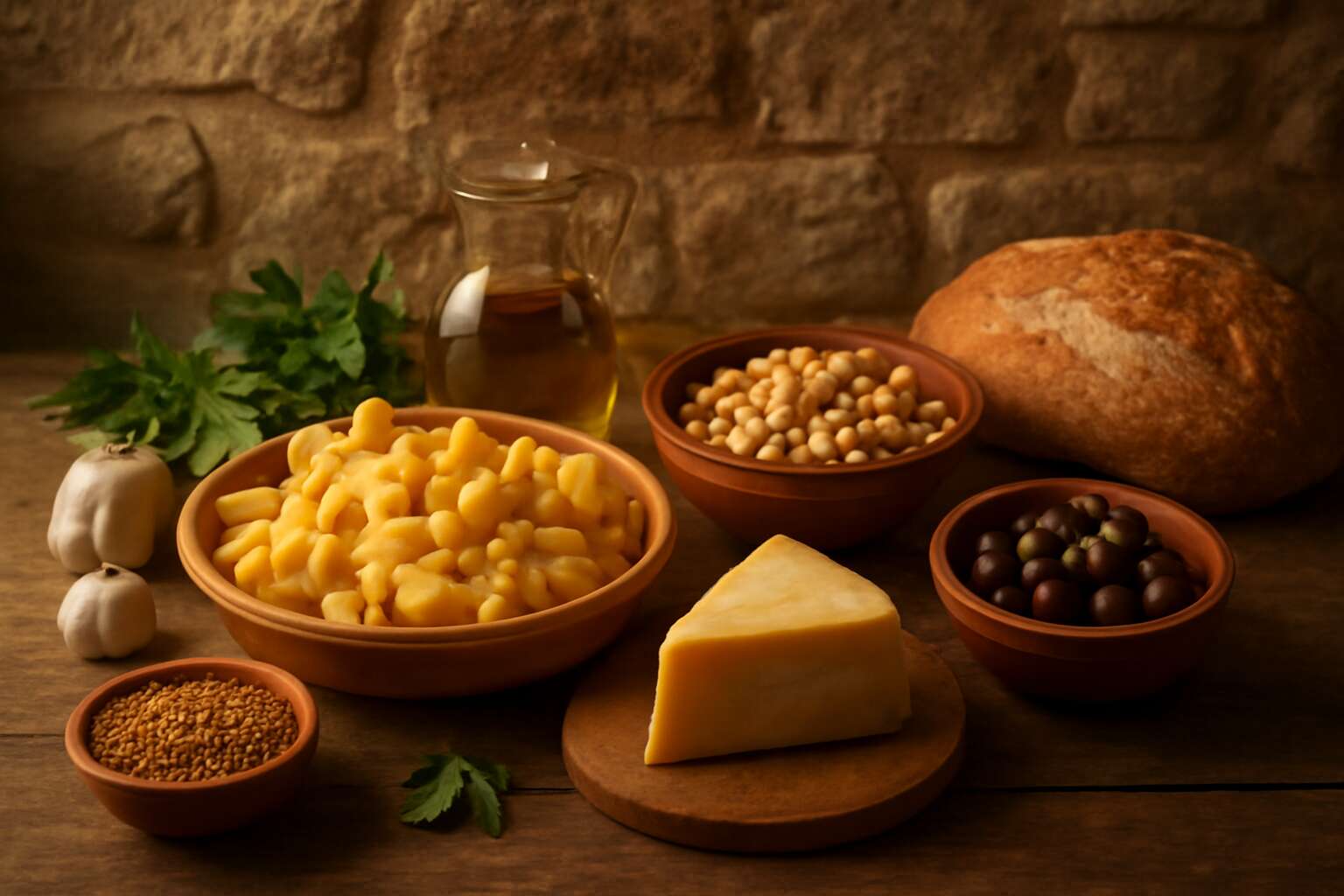
This is italian food before tomatoes, a pantry map of a pre-Columbian kitchen. Staples ranged from farro and barley breads to chickpeas, lentils, and beans; olive oil, garlic, onion, rosemary, and thyme; sea fish and modest cheeses.
- grains and breads
- pulses and legumes
- olive oil, garlic, herbs
- seafood and dairy
Meals leaned into slow braises, porridge, and stock-backed stews, letting season and time whisper depth. Tomatoes were a distant memory, and the table kept a quiet drama of texture and aroma.
Section Two: Regional Traditions Before Tomatoes
In italian food before tomatoes, flavor arrives as patient as dawn. Old kitchens prove: time is the strongest spice, and a sea breeze can season a pot as deftly as a knife. “Time is the strongest spice,” the elders murmur, and we listen.
Regional traditions before tomatoes unfurl like map-lines across the peninsula: the north favors sturdy breads and barley porridges; the center leans on legumes and herb-filled stocks; the south hums with fish broths, salted cheeses, and olive oil’s bright breath.
- Grains: farro, barley breads
- Pulses: chickpeas, lentils
- Seafood and dairy: small cheeses, white fish stocks
This map reveals italian food before tomatoes as a chiaroscuro of texture and aroma, where silk stocks meet grainy heartiness and briny sea notes. The old ways still watch over our tables, even here in distant kitchens.
Section Three: Core Techniques and Ingredients
Section Three opens Pre-Tomato Italian Cuisine to the senses: techniques born by the hearth and honed by time. italian food before tomatoes thrives on patient preparation: robust stocks, toasted grains, and herb-forward sauces that echo the sea and the fields. A coastal proverb whispers that time is the strongest spice, and we taste it in slow simmer and careful dough work. Across the peninsula, old kitchens prove flavor through method as much as product.
- Toasting farro and barley to deepen nutty notes
- Slow-simmering white fish stocks and legume broths
- Cheese production, olive oil finishing, and salt curing
These elements form a textured map of core technique—transforming simple ingredients into luminous, lasting dishes that travel from coastal markets to Cape Town kitchens and beyond.
Section Four: Cultural Impact and Evolution
A coastal proverb still hums through kitchens: “Time is the strongest spice.” In trattorie and family cauldrons, pre-tomato cooking prized patience, sea wind, and shared ritual over heat. This lineage—italian food before tomatoes—shapes how dishes sound, feel, and travel, from sunlit ports to distant markets, where memory seasons every bite.
Its cultural impact is less about listing ingredients than about craft passing from hearth to harbor. Stories of sailors, farmers, and cooks carry forward in fermentation, preservation, and the quiet theatre of sauce and salt—an early Mediterranean dialogue that still informs contemporary menus in coastal cities.
For South African readers and chefs, that patient, mariner-like approach offers a bridge between continents—a template for sourcing, storytelling, and savor that respects place. That memory remains a living thread, inviting modern kitchens to slow down and listen to what the land and sea offer.

0 Comments