The Regional Diversity of Italian Cooking
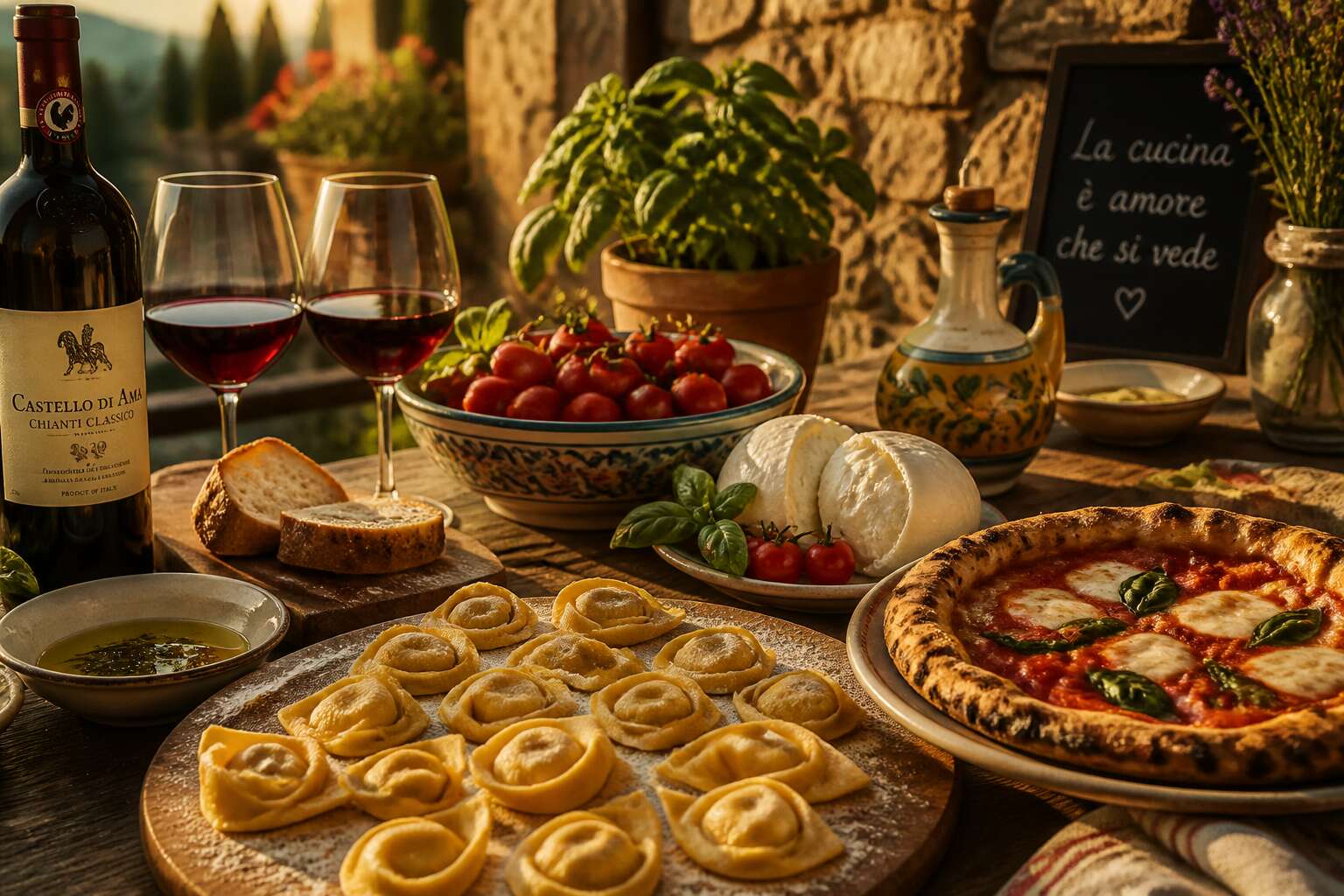
Italy’s culinary identity is less a single story and more a collection of local legends, each tied to its terroir. The country’s twenty regions function like distinct nations, where the cooking methods and ingredients shift dramatically with the landscape. This fragmented history is precisely why the concept of italian food 40 42, as a universal standard, often feels like a myth.
In the north, butter and rice dominate, particularly in the creamy risottos of Lombardy. Travel south, and olive oil and durum wheat take over, giving life to the chewy, resilient pasta of Campania. The alpine pastures of Piedmont yield rich, earthy truffles, while the sunbaked cliffs of Liguria provide fragrant basil for pesto.
Consider the sheer variety that exists:
1. The rich, slow-cooked ragù of Bologna, served with broad tagliatelle.
2. The simple, fiery spaghetti all’assassina from Bari.
3. The seafood-laden brodetto of the Adriatic coast.
These are not just recipes; they are historical documents written in the language of local resources. To truly taste Italy, one must abandon the search for a single cuisine and instead, embrace the delicious chaos of its regional kitchens. That pursuit is the real heart of italian food 40 42.
Essential Pantry Staples and Ingredients
A proper Italian meal does not begin at the stove. It begins in the cupboard. For anyone exploring italian food 40 42, the essentials come down to a few honest ingredients. No complex sauces, no imported spices. Just good olive oil, ripe tomatoes, and hard cheese.
Keep these staples ready for any meal:
- Extra virgin olive oil
- San Marzano tomatoes
- Garlic
- Parmigiano Reggiano
The oil deserves attention. It browns garlic, dresses salads, and completes a plate of pasta. With these staples in the cupboard, a satisfying supper is never far away. That is the whole secret.
Classic Dishes Worth Mastering at Home
The 1997 cookbook Italian Food 40 42 proved that home cooking needs no theatrics. Mirella and Giovanni wrote 42 recipes built on vegetables, olive oil, and time. One London couple cooked every single dish and came away changed. Their lesson: most classics are easier than they appear.
Some dishes ask for patience. A ragù needs an afternoon to develop depth. Others bend to speed, like pasta tossed with torn basil and ripe tomatoes. The charm of italian food 40 42 rests in this range. It respects the cook who has forty minutes and the one who has four hours.
- Ribollita improves overnight, so make it a day ahead.
- Sicilian caponata balances sweet and sour with capers.
- Gnocchi reward light hands and a gentle touch.
South African kitchens suit this style. Fresh produce is abundant, and the methods feel forgiving. Master these dishes and you will understand Italian cooking from the inside.
Pairing Wine and Beverages with Italian Meals
Across the sunlit tables of a Johannesburg trattoria, the ritual of pouring wine can feel as essential as the meal itself. Italian food 40 42 asks for balance, a harmony between acidity and richness that shifts with every course. A chilled Prosecco cuts through crisp arancini, while a bold Chianti Classico meets slow braised beef with quiet confidence.
I have learned that the beverage need not always be wine. For a silky carbonara, a lightly sparkling water with lemon cleanses the palate in ways that even the finest vintage cannot. Bitter Campari and soda suits a platter of salted anchovies, recalling the Mediterranean coast. The choice should mirror the occasion, not overpower it.
Consider these dependable matches:
- Bruschetta al pomodoro and a Vermentino with a briny finish
- Osso buco and a Barbera with bright cherry notes
- Tiramisu and a small glass of Vin Santo
The magic of italian food 40 42 lies in that freedom. You drink with your senses, letting the glass respond to the sauce, the herb, and the hour of the evening.
Dining Etiquette and Cultural Insights
In Italy, the table is a quiet theatre where every gesture carries meaning. The ritual of italian food 40 42 unfolds with unspoken rules: bread is a mopping tool for sauce, pasta is never broken before boiling, and cheese over seafood is a culinary heresy.
Observe these customs before you sit:
- Wait for the host to say “buon appetito” before touching your plate.
- Use your knife to guide food onto the fork, never your fingers.
- Leave a small portion on your plate to signal satisfaction.
Coffee arrives as a dignified finale. A cappuccino after noon marks you as a tourist, and espresso is best sipped standing at the bar. Meals stretch for hours because italian food 40 42 treats time as a seasoning, not a constraint. The Italian kitchen rewards patience, and those who linger are never rushed.

0 Comments