The Landscape of Italian Food Imports in Johannesburg
Key Product Categories Imported by Local Distributors
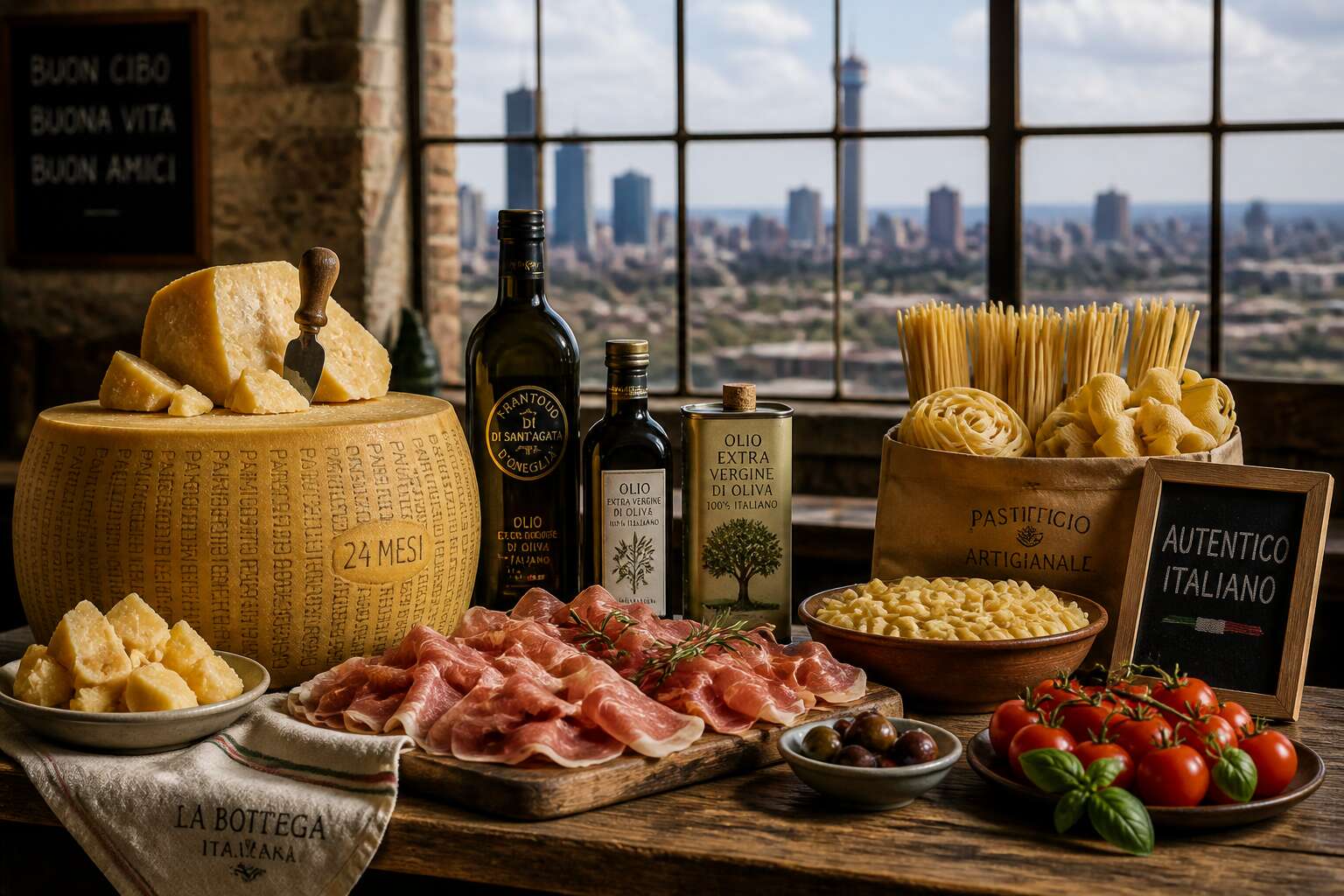
Johannesburg’s appetite for Italian imports runs deeper than convenience. It reflects a search for authenticity in a city that constantly reinvents itself. Local distributors respond to a demand that is both practical and emotional, sourcing products that hold a distinct sense of origin. The categories that dominate these shipments reveal what South African tables genuinely value.
- Extra virgin olive oil from Puglia and Tuscany
- San Marzano tomatoes and artisan pasta
- Aged parmesan, pecorino, and fresh mozzarella
- Prosciutto di Parma and traditional salami
- Italian coffee and balsamic vinegar
These goods do not merely fill shelves. They carry a connection to a specific place, offering comfort to those who remember Italy and an introduction for those who do not. For italian food importers johannesburg, the task is preserving character in a market that often values speed over substance.
Regulatory and Customs Requirements for Food Importers in South Africa
Getting Italian food into Johannesburg means navigating a complex set of regulations that most shoppers never see. South African customs applies strict scrutiny to food imports, and italian food importers johannesburg must reconcile Italian export certificates with local requirements. The process covers everything from container inspections at Durban and Cape Town harbours to final labeling checks.
Importers typically manage these compliance points:
- SARS customs declarations with correct tariff codes
- Health certificates from the Department of Agriculture
- Labeling compliance under the Foodstuffs Act
- Cold chain documentation for perishable shipments
I have watched a single missing signature delay an entire pallet of prosciutto for two weeks. For italian food importers johannesburg, regulatory fluency is as essential as product knowledge.
How to Verify the Authenticity and Origin of Italian Products
Johannesburg’s appetite for Italian imports has grown past the predictable mozzarella and olive oil. Regional specialties like Sicilian pistachios and Piedmontese truffle cream now appear on local shelves. Yet the landscape holds a catch. For italian food importers johannesburg, the real challenge lies in separating genuine products from clever approximations.
Authenticity demands more than a tricolore label. I have opened crates where the “Parmigiano Reggiano” was a very confident Danish hard cheese. Verification involves checking for protected designation of origin marks, verifying producer codes, and confirming that the importer holds traceability documents from the source.
- Check for EU protected designation of origin logos on packaging
- Verify the consorzio stamp on cheeses such as Parmigiano or Grana Padano
- Request the bill of lading and origin certificate before trusting a supplier
This diligence separates serious italian food importers johannesburg from the rest.
Top Italian Food Importers and Distributors in Johannesburg
Leading Wholesale Importers for Restaurants and Retailers
In Johannesburg, the hunger for authentic Italian fare has spawned a shadowy network of wholesale distributors who operate with quiet precision. These italian food importers johannesburg based, serve restaurants and retailers seeking truffles, aged balsamic, and artisanal pasta. Their warehouses hum with controlled cold rooms and sealed crates.
I have seen how the leading importers rely on direct relationships with small producers in Emilia Romagna and Sicily. They prioritize consistency over flashy branding. A typical order from a top firm includes:
- Parmigiano Reggiano aged 24 months
- San Marzano tomatoes from Vesuvius slopes
- Hand stretched mozzarella di bufala
These distributors negotiate freight costs and maintain cold chains that preserve fragile textures. For a restaurateur, this reliability is the real treasure. Their vendors also offer private label options to differentiate menus.
Specialists in Artisanal and Regional Italian Delicacies
In Johannesburg, a good Italian distributor operates less like a vendor and more like a custodian of regional memory. While global supply chains often flatten flavors into a single, homogenized note, the top italian food importers johannesburg specialists hold a different line. They navigate the complexities of terroir, insisting on products that speak specifically of their origin.
These distributors understand that an artisanal cheese from a single farm is not a commodity. It is a fragile, living thing. Their expertise lies in logistics, but their passion is in preservation. For example, when a shipment of fresh ricotta arrives, the process is almost ritualistic. The temperature curves are checked, the packaging is inspected for micro-tears, and the short shelf life is respected with military precision.
The best operators in this space engage in a constant, quiet conversation with their suppliers. They translate the needs of South African chefs into requests that Italian farmers understand. A distributor might select these items for their specialized portfolios:
– Hand-harvested sea salt from Sicily, prized for its mineral crunch.
– Nduja, a soft, spicy spreadable salami from Calabria.
– Gragnano pasta, bronze-cut and slowly dried for a rough texture.
This focus on detail is what separates a true specialist from a mere importer. They offer a curated bridge, ensuring that the soul of an Italian region can survive the long journey to a Johannesburg table. Their real craft is the careful handling of taste itself.
Online Italian Food Stores with Local Delivery Options
The quiet hum of a delivery scooter in Parkhurst carries a cargo once reserved for passenger ships and customs forms. The italian food importers johannesburg have adapted their cold chains to the final mile, transforming online stores into a direct portal for regional Italian goods.
For the home cook in Rosebank or the expat in Sandton, these digital shelves offer a selection that spans regions. Place an order before midday, and a box of perishable delicacies arrives by evening, chilled and intact! The delivery radius stretches across Gauteng, with some distributors shipping nationally via courier.
- Guanciale, vacuum-sealed and ready for a carbonara
- Whole anchovies packed in Sicilian sea salt
- Chestnut honey from the Apennine slopes
I have watched courier drivers handle these boxes with a reverence I usually associate with rare books. The cold chain holds to the final kilometer. That is the quiet promise of these online stores, a promise measured in unbroken temperature curves.
Comparing Pricing, Minimum Orders, and Delivery Timelines
Comparing italian food importers johannesburg is a bit like negotiating with a temperamental maître d’. Each has distinct pricing, minimum order volumes, and delivery quirks that can make or break your weekly menu plan. I recently spent a afternoon contacting three major distributors, and the differences were striking. One importer in Kramerville requires a R1,500 minimum but offers wholesale pricing that drops by 18% on bulk orders. Another, operating from Midrand, has no minimum, yet their delivery timeline stretches to four days. A third charges a flat R250 delivery fee but guarantees next day service to Pretoria and Johannesburg.
Consider these specifics:
1. Vesuvio Traders: R1,500 minimum, 2 to 3 day delivery, best unit prices
2. Lombardia Wholesale: no order minimum, 4 day delivery, slightly higher costs
3. Alba Fine Foods: R800 minimum, next day delivery, premium pricing
Your choice ultimately depends on whether you value speed, volume, or cost savings. For a quick pasta night, the premium route works. For stocking a restaurant pantry, the bulk importer wins. In all cases, check their current freight schedules before placing an order, as delivery timelines fluctuate with demand.
Using Customer Reviews and Trade Reputation to Shortlist Suppliers
Customer reviews and trade reputation often determine which italian food importers johannesburg restaurants trust with their weekly orders. I have learned that a quiet mention from a chef at a Melville trattoria reveals more than a five star online rating! Reputation in this city accumulates through consistent stock, honest sourcing, and the occasional favour during a shortage.
Consider the signals that matter:
- Long standing relationships with local restaurants and delis
- Consistent product availability across season changes
- Willingness to share supplier documentation openly
A distributor with years of service in the Italian Food Association circles earns trust through actions, not claims. I always check trade forums and speak to independent grocers before committing my own budget. The importer who answers difficult questions about origin and handling practices is the one worth keeping. Searching for italian food importers johannesburg with a critical eye saves money and prevents supply surprises.
Essential Italian Products Sourced by Johannesburg Importers
Premium Olive Oils and Vinegars from Tuscany and Puglia
Tuscany’s hillsides and Puglia’s flat groves produce two distinct styles of olive oil, and Johannesburg importers know the difference. A single bottle can taste peppery, grassy, or fruity with subtle bitterness. Balsamic vinegar from Modena, aged in wood barrels for decades, arrives through careful selection. Importers prefer small batch producers over mass market brands. I have seen Parkhurst connoisseurs compare bottles side by side.
- Extra virgin olive oil, cold extracted within hours of harvest
- White wine vinegar infused with rosemary or thyme
- Traditional balsamic vinegar with DOP certification
These products arrive through italian food importers johannesburg, ensuring local restaurants get authentic flavor. Each shipment maintains cold chain integrity, preserving delicate polyphenols.
Authentic Parmigiano-Reggiano, Mozzarella di Bufala, and Other Cheeses
Aged for 24 months in Emilia-Romagna, Parmigiano-Reggiano develops a granular texture that shatters under the blade. Italian food importers johannesburg select wheels that carry the full DOP stamp, ensuring the milk comes from designated provinces. Mozzarella di Bufala offers a contrasting character. This cheese, made from water buffalo milk in Campania, arrives in brine packs to preserve its delicate elasticity. The moment you tear it, the whey should bead and release a grassy aroma!
Other cheeses follow the same careful route. Gorgonzola piccante, with its blue veins, and Pecorino Romano, sharp and salty, both require temperature controlled shipping. Italian food importers johannesburg coordinate these shipments to avoid ruptures in the cold chain. A standard consignment includes:
- Parmigiano-Reggiano, aged 24 or 36 months
- Mozzarella di Bufala Campana, with protected status
- Ricotta fresca, drained and packed within hours
Each wheel and batch carries its own history. For local restaurateurs, authenticity is paramount.
Handmade Pasta, Risotto, and Polenta Varieties
Gragnano pasta, praised since 1845, comes from a town where artisans dry dough in the open air. italian food importers johannesburg source these bronze-die cut shapes, which carry a porous texture that grips ragù better than any industrial strand. The semolina retains its golden hue and nutty undertone.
Risotto rice, particularly Carnaroli and Vialone Nano, behaves with precision. The grain softens while the center holds firm, creating a creamy spoonful. Polenta varieties, ground from heirloom corn, range from coarse bramata to fine fioretto.
- Bramata for slow-cooked, rustic polenta
- Fioretto for quicker, smoother results
Importers monitor humidity during shipping, protecting these grains. For Johannesburg chefs, this care means every plate carries a piece of Italy.
Cured Meats: Prosciutto, Salami, Pancetta, and Coppa
When artisans in Parma and the Veneto cure meats, they rely on precise humidity and time. Prosciutto rests for months, its rosy hue and sweet saltiness developing slowly. Salami, with its marbled interior, carries fennel or chilli depending on the region. Pancetta brings a spiced richness to carbonara, while coppa offers a tender, slightly gamey bite.
Johannesburg importers manage the cold chain with care. They work with suppliers who dry meats without artificial accelerants, preserving the texture. The salt content acts as a natural preservative, but heat and handling can spoil the delicate balance. Local chefs value this attention.
A typical order from an italian food importer johannesburg might include:
– Prosciutto di Parma from Emilia-Romagna
– Finocchiona, a fennel-dusted salami
– Smoked pancetta for deeper flavor
– Coppa from Calabria or Umbria
These products arrive whole, never pre-sliced, to retain moisture. Once sliced, the meat blooms with aroma. For restaurateurs, this means charcuterie boards with genuine character. The process from curing house to Johannesburg table demands consistency, and the best importers deliver it every week.
Italian Coffee, Desserts, and Specialty Pantry Staples
The roast date on a bag of espresso tells the whole story. Italian food importers johannesburg source green beans from Trieste and Piedmont, then rely on local roasters to finish the work. Freshness is the difference between a dull cup and one with a persistent crema.
Desserts and pantry staples follow the same logic. Mascarpone arrives in soft tubs, almond paste in thick blocks, and panettone only in season. Passata, anchovies, and salted capers complete an Italian pantry without leaving Johannesburg.
- Whole beans roasted within two weeks of your order
- Mascarpone for tiramisu, not for baking
- San Marzano tomatoes and jars of capers in brine
None of this works without discipline. Suppliers who handle these goods properly, from warehouse shelf to delivery van, earn the trust of chefs.
How to Choose the Right Italian Food Importer for Your Business or Home
Evaluating Product Range and Supply Chain Transparency
Selecting an Italian food importer in Johannesburg requires more than a taste test. You need to examine the breadth of their catalogue and the clarity of their sourcing. A limited product range often signals a narrow network of suppliers. A transparent importer will share details about farms, mills, and production regions without hesitation.
- Check whether they stock both everyday staples and rare regional specialties.
- Ask for documentation that traces each product from origin to warehouse.
Supply chain transparency also reveals how an importer handles temperature control and storage. Some Johannesburg distributors offer an open-door policy for their facilities. Others remain vague about their logistics. I always look for balance, and the right italian food importers johannesburg offer variety with verifiable provenance. That gives me confidence for every order!
Understanding Cold-Chain Logistics and Storage Capabilities
Ask any chef in Sandton about spoiled mozzarella and you will hear the real toll of broken refrigeration. Johannesburg’s summer heat exposes every weakness in a distribution network, which is why cold-chain logistics demand close scrutiny when evaluating italian food importers johannesburg. A quality importer maintains separate temperature zones for dairy, charcuterie, and frozen goods, not one uniform warehouse chill that compromises every product equally.
Power stability is another factor altogether. Load shedding tests the resilience of storage facilities in ways that glossy brochures never reveal. During my last inspection of a local distributor, I checked their generator transfer time and asked for temperature excursion reports from the past year. Three signals indicate genuine capability:
- Independent thermometers alongside the importer’s own sensors
- Cooler doors equipped with audible alarms for prolonged opening
- Staff who can articulate the precise storage requirements for each product family
Reputable italian food importers johannesburg welcome these questions because their margins depend on maintaining pristine condition from origin to your kitchen. If an importer grows evasive about their cold storage protocols, treat that silence as the most telling detail of all!
Navigating Import Documentation and Food Safety Compliance
Choosing the right italian food importers johannesburg means looking past the beautiful labels and into their document flow. In my experience, a serious importer will gladly walk you through their food safety compliance procedures. They should show you the batch traceability system and explain how they verify origin and handling.
For your next order, ask these three questions:
- Can you provide a certificate of analysis for this batch?
- What is your protocol for a temperature excursion during transit?
- Who is your responsible person for food safety complaints?
If the answers come back vague, your risk goes up. Home buyers deserve the same transparency as restaurants. Navigating import documentation is not glamorous, but it separates reliable italian food importers johannesburg from the unreliable ones.
Building Long-Term Relationships for Consistent Quality and Pricing
A single delayed shipment can alter a meal’s character completely. That is why picking the right italian food importers johannesburg requires more trust than a simple transaction.
Consistency does not happen by accident. It comes from how an importer manages producers, cold chains, and inventory. I have seen businesses suffer because they switched suppliers for a cheaper crate. Hold onto an importer who communicates honestly about stock levels and lead times.
- Request a price schedule that covers several months.
- Ask which producers they buy from directly.
The best importers treat your kitchen like their own. That relationship delivers stable pricing and quality, season after season!
Trends and Challenges Shaping Italian Food Imports in Johannesburg
The Rise of Authenticity-Seeking Consumers and Specialty Imports
Johannesburg’s appetite for italian food imports has shifted from generic to granular. Consumers now demand provenance. They want to know the exact hillside where olives were pressed, the farm whose pigs became prosciutto. This authenticity surge pressures italian food importers johannesburg to rethink every step of their supply chain.
The challenges are real! Margins tighten when you chase single-estate products. Shipping costs spike. Consider what importer-side pressure now looks like:
- Negotiating directly with regional co-ops instead of European brokers
- Investing in traceability software for each batch
- Absorbing higher cold-chain freight costs for small parcels
Many italian food importers johannesburg now greet these obstacles head-on. They are securing exclusive distribution deals. They are splitting container loads with other specialty suppliers. The market has fractured into micro-segments, and the importers who acknowledge this shift will be the ones supplying the city’s most discerning tables.
Supply Chain Disruptions and Their Impact on Availability and Costs
The Mediterranean diet may be timeless, but the route from Italian soil to Johannesburg shelves is not. Freight costs remain volatile, and port congestion in Durban and Cape Town creates unpredictable delays. For italian food importers johannesburg, this means balancing availability against affordability every single week.
Specialty goods suffer the most. A single container of artisanal pasta can sit at the terminal for days, threatening cold-chain integrity for cheeses and cured meats. Importers absorb demurrage fees, then pass some burden to restaurants and retailers. Some italian food importers johannesburg now hedge by airfreighting small batches of high-value items, which pulls prices upward.
- Ad hoc airfreight for perishable Italian cheeses
- Smaller, more frequent container shipments
- Pre-booking warehouse slots to avoid bottlenecks
These supply chain disruptions reshape pricing structures.
Sustainability Practices and Direct-Trade Partnerships with Italian Producers
Johannesburg’s Italian food scene is quietly rewriting its sourcing playbook. Sustainability has moved from a label to a lodestar, and direct-trade partnerships are the new currency. italian food importers johannesburg now work directly with Puglian olive growers and Emilia-Romagna pasta makers, eliminating intermediaries to secure ethical pricing and full traceability. This approach tightens quality control, but it demands patience. Shipping schedules conflict with harvest calendars, and organic verification across hemispheres is a paperwork puzzle. Some importers are responding with small-batch container shares and shared cold-chain facilities. The benefits are tangible:
- Direct contracts secure fair wages for farmers.
- Consolidated shipments cut carbon emissions.
- Seasonality drives menu innovation.
I have seen teams swap suppliers over a single tasting, chasing that elusive, peppery finish. The challenge is not finding authentic producers; it is convincing them to commit to a market 8,000 kilometers away.

0 Comments