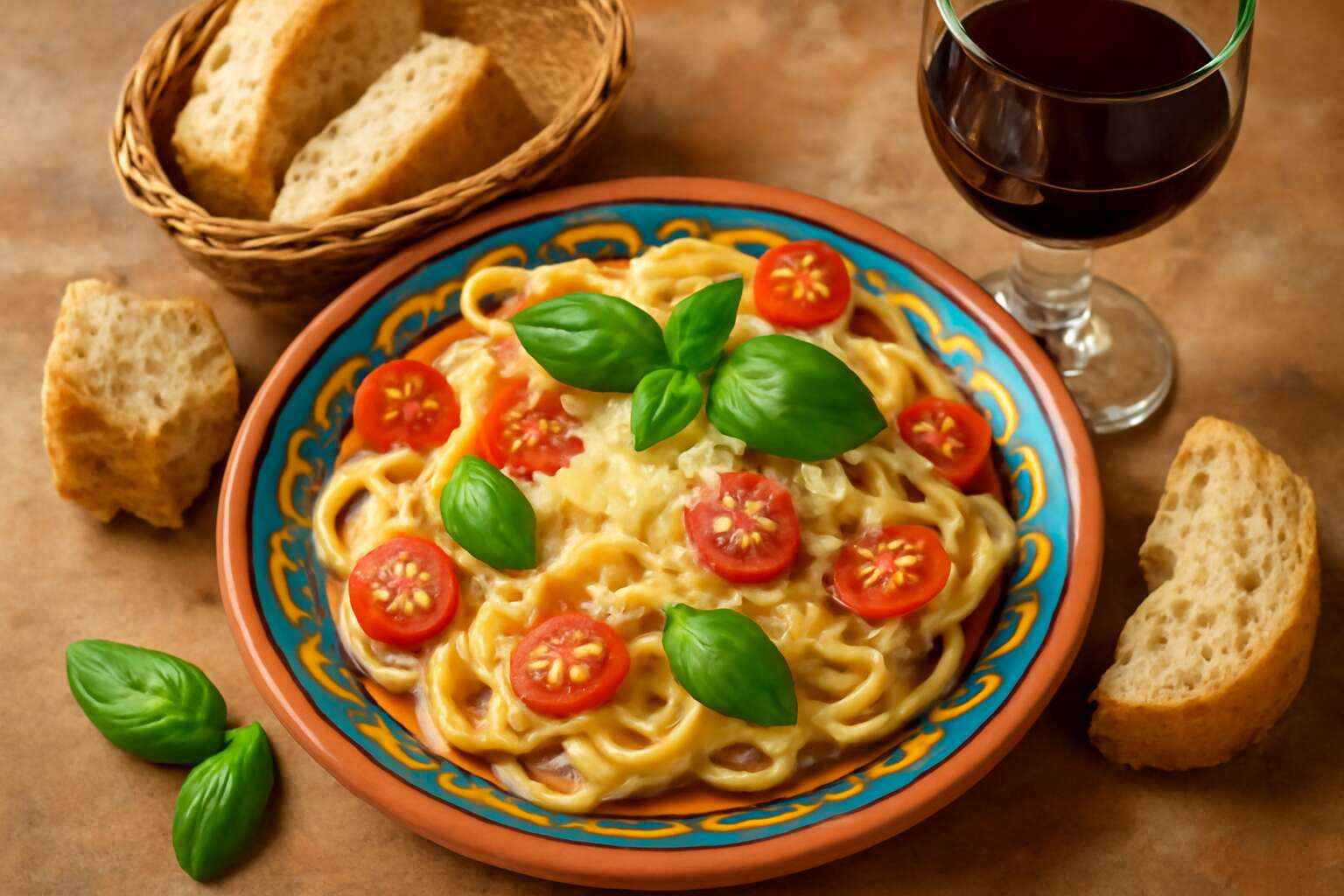
Overview of Italian and French Cuisine
Introduction to Italian Cuisine
Italian food is a symphony of vibrant flavors, fresh ingredients, and centuries-old culinary traditions that have captivated the world. From the rustic charm of a wood-fired pizza to the delicate richness of handmade pasta, Italian cuisine embodies a passion for simple yet extraordinary dishes. It’s no surprise that Italy’s culinary artistry is celebrated globally, with each region offering a unique tapestry of tastes and techniques.
Meanwhile, French food stands as a testament to refinement and culinary innovation. Known for its intricate sauces, decadent pastries, and artful presentation, French cuisine is often regarded as the pinnacle of gastronomic mastery. The country’s rich history of gastronomic excellence has fostered a culture where every meal becomes an experience—an adventure for the senses.
Introduction to Italian Cuisine
At the heart of Italian food lies a commitment to fresh, seasonal ingredients and a sense of community. Italian cuisine is renowned for dishes like risotto, ossobuco, and a variety of antipasti that celebrate local produce and age-old recipes. The emphasis on simplicity allows the natural flavors of ingredients to shine, creating a culinary harmony that is both comforting and inspiring.
Introduction to French Cuisine
While Italian food and French food may seem worlds apart, both cuisines hold a mirror to their rich cultural histories and social values. French cuisine, renowned for its meticulous techniques and artistic presentation, elevates food to an experience—a celebration of refinement and innovation. It’s no wonder that French food is often regarded as the pinnacle of gastronomic mastery worldwide. From the perfectly layered croissants to complex sauces like béarnaise, every dish reflects centuries of culinary evolution.
In contrast, Italian food emphasizes simplicity, freshness, and community. It’s about highlighting the natural flavors of quality ingredients, whether through a hearty risotto or a vibrant antipasti platter. Interestingly, Italian cuisine is among the most popular globally, with dishes like handmade pasta and wood-fired pizza becoming household staples. The focus on regional ingredients and traditional recipes ensures that every bite tells a story of local culture and history.
Historical Influences and Cultural Significance
Italy and France, two culinary titans, owe much of their gastronomic prowess to centuries of cultural exchange, conquests, and regional innovation. Italian food’s roots stretch back to ancient civilizations like the Etruscans and Romans, who laid the groundwork for a cuisine rooted in simplicity and regional authenticity. Meanwhile, French food evolved through a complex tapestry of royal courts, monastic traditions, and revolutionary ideas that transformed humble ingredients into haute cuisine. This rich history is evident in iconic dishes and cooking techniques that remain central to their cultural identities.
Both cuisines have left indelible marks on the world stage, shaping global culinary trends. Italian food’s emphasis on regional ingredients and traditional recipes reflects a deep respect for local culture, while French food’s meticulous techniques and artistic presentation embody a desire for culinary innovation. Whether it’s the rustic charm of Italian pasta or the refined elegance of French sauces, these cuisines are more than just food—they’re a reflection of history, identity, and social values. In fact, Italian and French culinary heritages are so influential that they continue to inspire chefs and food lovers worldwide, making every meal a celebration of history and artistry.
Key Differences Between Italian and French Food
At first glance, Italian food and French food might seem like two sides of the same culinary coin, yet their essence diverges in fascinating ways. Italian cuisine is celebrated for its vibrant simplicity—fresh, regional ingredients that speak for themselves, creating dishes that feel like warm embraces from the Mediterranean. French food, by contrast, is renowned for its meticulous techniques and layered flavors, transforming humble ingredients into works of culinary art.
While Italian food often emphasizes rustic comfort—think hearty pasta, fragrant herbs, and rich tomato sauces—French cuisine leans toward refined presentation and complex sauces like béchamel or hollandaise. A key difference lies in their approach: Italian food champions spontaneity rooted in regional traditions, whereas French food is driven by precise culinary mastery and innovation.
- Italian food’s emphasis on simplicity and regional authenticity
- French food’s focus on technique and artistic presentation
Both cuisines, however, share an unwavering dedication to craftsmanship, making each meal an exploration of culture and history that continues to enchant and inspire chefs worldwide.
Popular Italian Dishes and Ingredients
Signature Pasta Dishes
Italian food is renowned for its vibrant flavors and rich ingredients that evoke a sense of warmth and tradition. When exploring popular Italian dishes, one cannot overlook the allure of classics like Risotto alla Milanese and Osso Buco, each bursting with aromatic herbs and tender, slow-cooked meats. The art of Italian cuisine lies in the harmony of simple ingredients transformed into culinary masterpieces.
Signature pasta dishes hold a special place in the heart of Italian food enthusiasts. From the comforting layers of Lasagna to the delicate strands of Tagliatelle tossed in a fragrant Bolognese sauce, pasta exemplifies Italy’s culinary ingenuity. The secret often resides in the quality of ingredients, especially the pasta itself, which serves as a blank canvas for bold flavors. For those craving authentic Italian food, exploring these signature pasta dishes offers a delicious journey into Italy’s gastronomic soul.
- Spaghetti Carbonara – a creamy, savory delight with pancetta and Pecorino cheese.
- Penne Arrabbiata – fiery tomato sauce with a hint of chili for an extra kick.
- Tortellini in Brodo – delicate stuffed pasta served in flavorful broth, perfect for a comforting meal.
Classic Italian Sauces
Italian food is a symphony of flavors, where simple ingredients are elevated to culinary artistry. A cornerstone of authentic Italian cuisine lies in its classic sauces, each telling a story of tradition and regional pride. Rich, velvety tomato sauces like Marinara and bright, herb-infused Pesto exemplify how the right combination of fresh herbs, garlic, and olive oil can transform humble ingredients into a feast for the senses.
Beyond the sauces, certain ingredients define the soul of Italian food. Fine Parmigiano-Reggiano, fragrant basil, and high-quality olive oil are indispensable, creating depth and authenticity in every dish. For those exploring the depths of Italian cuisine, understanding these ingredients and their role in iconic dishes like Risotto alla Milanese or Osso Buco unlocks an appreciation for Italy’s culinary mastery.
When it comes to classic Italian sauces, a few stand out for their versatility and historical significance. Among them:
- Marinara – a tangy, tomato-based sauce seasoned with garlic and herbs.
- Pesto – a vibrant blend of basil, pine nuts, garlic, Parmesan, and olive oil.
- Bolognese – a slow-simmered meat sauce that embodies Italy’s love for hearty, flavorful dishes.
Each of these sauces encapsulates the essence of Italian food—simple ingredients, bold flavors, and a timeless tradition that continues to inspire chefs around the world.
Italian Meats and Cheeses
Italian food is a tapestry woven from centuries of tradition, each ingredient chosen with deliberate care to evoke a sense of authenticity and regional pride. Beyond the iconic sauces and pasta, the true essence of Italian cuisine resides in its exceptional meats and cheeses. Think of aged prosciutto, delicate mortadella, and robust salami—each telling a story of local craftsmanship and centuries-old methods. These meats are often paired with cheeses like Pecorino Romano or creamy mozzarella, creating a harmony that transcends mere sustenance. The marriage of these ingredients is what elevates Italian food from everyday fare to an art form, inviting a deep appreciation for Italy’s culinary mastery.
Popular Italian dishes often showcase these ingredients in spectacular fashion. For example, a simple antipasto platter with an array of Italian meats and cheeses can be as complex and satisfying as a full-course meal. The flavors burst with intensity, revealing the soul of Italian food—its ability to transform humble ingredients into something extraordinary. While pasta and sauces often steal the spotlight, it is the quality of the meats and cheeses that truly anchors the experience, offering a glimpse into Italy’s rich gastronomic heritage.
In the realm of Italian cuisine, certain ingredients are almost sacred. The renowned Parmigiano-Reggiano cheese, beloved for its sharp, granular profile, is often grated over dishes to impart depth and umami. Similarly, the smoky aroma of pancetta or the fresh, fragrant basil leaves can turn a simple dish into a celebration of regional flavors. It is this attention to ingredient quality and regional specificity that makes Italian food a timeless exploration of human connection through taste.
Traditional Italian Bread and Baked Goods
Italian food is a symphony of flavors, where each ingredient sings its own melody within a harmonious culinary masterpiece. Among the most beloved are classic dishes like Risotto alla Milanese, Osso Buco, and the fragrant, herb-laden Eggplant Parmesan—each a testament to Italy’s rich gastronomic heritage. These dishes are elevated by the use of authentic ingredients such as fragrant basil, ripe tomatoes, and extra virgin olive oil, which lend a depth of flavor that is both soulful and unforgettable.
Complementing these iconic dishes are traditional Italian baked goods and bread that have stood the test of time. Think of crusty ciabatta, airy focaccia infused with rosemary, and the rustic charm of pane casereccio—each bread crafted with centuries-old methods that emphasize simplicity and quality. These baked goods are not mere accompaniments but integral to the Italian culinary experience, often enjoyed fresh from the oven, their aroma filling the air with promise and warmth.
For those seeking a deeper dive into Italy’s culinary fabric, consider the intricate process behind crafting a perfect pizza Napoletana or the delicate layers of a lasagna made from scratch. Each element, from the dough to the toppings, reflects regional pride and a devotion to tradition. This devotion ensures that every bite of Italian food or French food is a celebration of artistry, history, and the love of good, honest ingredients.
Iconic French Dishes and Culinary Staples
Famous French Entrées and Main Courses
French cuisine, with its rich tapestry woven through centuries of history, boasts a collection of iconic dishes that evoke a sense of artistry and tradition. Among the most celebrated French food staples are dishes like coq au vin and ratatouille, both embodying the country’s mastery of blending flavors with finesse. These culinary staples are not merely meals but poetic expressions of France’s cultural soul, celebrated in every corner of the world. The main courses, often marked by their elegant simplicity and layered complexity, serve as a testament to the French philosophy of “art de vivre.”
Famous French entrées such as escargots, foie gras, and soupe à l’oignon exemplify a dedication to rich textures and bold flavors. These dishes, revered across continents, demonstrate the French love for transforming humble ingredients into culinary masterpieces. When exploring French food, one cannot overlook the allure of their signature dishes, which continue to inspire chefs and food lovers alike. The world’s palate is forever captivated by the timeless charm of French culinary staples, echoing a history steeped in refinement and passion.
French Sauces and Condiments
French cuisine’s culinary artistry is epitomized through their iconic dishes and revered sauces, which have captivated palates worldwide. Dishes like coq au vin and bouillabaisse are more than just meals—they are expressions of France’s rich history and dedication to refinement. Equally fascinating are the French sauces and condiments that elevate every dish, transforming simple ingredients into gastronomic masterpieces.
French sauces such as béchamel, hollandaise, and sauce bordelaise are the backbone of many classic dishes. These sauces exemplify the finesse and layered complexity that define French food. Their precise preparation and balance of flavors showcase a culinary philosophy rooted in tradition and innovation. Additionally, condiments like Dijon mustard and herbes de Provence add depth and character, making French food a symphony of taste.
For those eager to explore further, a simple yet essential list of French culinary staples includes:
- Duck confit
- Escargots de Bourgogne
- Ratatouille
- Crêpes Sucrées and Salées
Each of these dishes, paired with signature sauces and condiments, highlights France’s mastery of blending textures and flavors—truly a testament to its timeless culinary allure.
French Cheeses and Breads
French food is a tapestry woven with culinary artistry and centuries of tradition, where each dish tells a story of regional flavors and historical influences. Among the most iconic French dishes, coq au vin and bouillabaisse stand as testament to France’s mastery of rich, layered flavors. But what truly elevates French food into the realm of gastronomic legend are its renowned culinary staples—delicate cheeses and crusty breads that turn every meal into an experience.
French cheeses like Camembert, Roquefort, and Comté are celebrated worldwide for their unique textures and complex profiles. These cheeses are often paired with a slice of freshly baked baguette, a staple that embodies France’s artisanal bread-making tradition. The crisp crust and airy crumb of a traditional French baguette or a flaky croissant can transform a simple breakfast into a moment of pure delight. For those seeking authentic French food, exploring these cheeses and breads offers a delicious glimpse into France’s rich culinary heritage.
French Pastries and Desserts
French cuisine is renowned for its iconic dishes that embody elegance and culinary artistry. Dishes such as ratatouille, coq au vin, and bouillabaisse are more than just meals; they are cultural symbols that reflect France’s rich regional flavors and historical influences. These main courses often serve as the centerpiece of a meal, showcasing the finesse that French food is celebrated for worldwide.
Adding to the allure of French culinary tradition are its exquisite pastries and desserts. From the delicate layers of a mille-feuille to the airy lightness of a croissant, French pastries are a testament to centuries of artisanal craftsmanship. Classic desserts like crème brûlée and tarte Tatin evoke a sense of indulgence that perfectly complements a robust cup of coffee or a glass of fine wine. For anyone exploring French food, these pastries and desserts are essential, offering a sweet insight into France’s legendary gastronomic heritage.
Regional Variations and Specialties
Italian Regional Cuisines
Italy’s diverse landscape fuels a tapestry of regional variations in italian food. From the hearty, rustic flavors of Tuscany to the seafood-rich dishes of Sicily, each area boasts its own culinary identity. Northern Italy favors rich butter-based sauces and polenta, while the south leans heavily on fresh tomatoes and olive oil. This regional diversity means you can explore a different world of flavors with every drive or visit.
Similarly, French food showcases distinct culinary regions. Provence is famous for its fragrant herbs and olive oils, whereas Burgundy is renowned for its robust wines and game dishes. The richness of Alsace, blending French and German influences, offers hearty stews and pretzels. These regional specialties highlight how geography and history shape the unique character of each locale.
For those interested in exploring beyond the basics, here are some notable Italian regional specialties:
- Risotto alla Milanese from Lombardy
- Ossobuco from Veneto
- Arancini from Sicily
French Regional Cuisines
Italy and France, two culinary giants, each boast a mosaic of regional flavors that transform simple ingredients into extraordinary experiences. The regional variations within italian food and french food reveal a fascinating tapestry woven by geography, history, and cultural exchange. In Italy, the lush hills of Tuscany gift us with hearty, rustic dishes, while Sicily’s coastal bounty inspires seafood-rich specialties like arancini. Meanwhile, northern regions favor creamy risottos and buttery sauces, contrasting sharply with southern Italy’s vibrant tomato-based creations.
France’s diverse landscape offers its own culinary treasures. Provence’s fragrant herbs and olive oils conjure images of sun-drenched fields, while Burgundy’s wine-rich terroir lends itself to rich, game-inspired dishes. Alsace, nestled between France and Germany, features hearty stews and iconic pretzels that reflect its melting pot heritage. These regional specialties of french food exemplify how land and history shape distinct gastronomic identities. The richness of these culinary regions invites explorers to indulge in authentic tastes that echo centuries of tradition and cultural evolution.
Wine and Beverage Pairings
Italian Wine Regions and Popular Varieties
In the realm of italian food or french food, wine pairing is not merely a tradition but an art form that elevates the entire dining experience. Italian wine regions such as Tuscany, Piedmont, and Veneto boast a captivating array of vintages that complement the nuanced flavors of regional dishes. These areas are renowned for their robust reds and crisp whites, each telling a story of the land and climate from which they originate. Pairing these wines with authentic italian food or french food transforms a simple meal into a sensory journey.
For example, a rich Chianti pairs beautifully with hearty pasta dishes, while a light Pinot Grigio enhances seafood delicacies. French wine regions like Bordeaux, Burgundy, and the Loire Valley offer exquisite varieties that harmonize with classic French cuisine. Popular varieties such as Merlot, Chardonnay, and Sauvignon Blanc are versatile choices that can adapt to a wide spectrum of flavors. Whether you prefer a bold red or a delicate white, understanding regional characteristics helps craft the perfect pairing—an essential skill for true connoisseurs of italian food or french food.
French Wine Regions and Popular Varieties
French wine regions like Bordeaux, Burgundy, and the Loire Valley are celebrated for their exquisite diversity, offering a palette of flavors that elevate any meal. These regions produce wines that are as expressive as the culinary traditions they accompany, making wine pairing an essential component of the French dining experience. The richness of Bordeaux’s Merlot and Cabernet Sauvignon perfectly balances hearty French dishes, while Burgundy’s Pinot Noir and Chardonnay bring a nuanced elegance to lighter fare.
Understanding regional characteristics is crucial when choosing the best beverage to complement your italian food or french food. For instance, a robust Bordeaux red can transform a rustic coq au vin into a sensory masterpiece, whereas a crisp Loire Sauvignon Blanc enhances delicate seafood or goat cheese. This harmony between wine and cuisine reveals the artistry behind French gastronomy, where each sip and bite tells a story rooted in history and terroir.
- Merlot – versatile and smooth, ideal for richer meats and hearty stews.
- Chardonnay – ranging from buttery to crisp, perfect with creamy sauces and poultry.
- Sauvignon Blanc – vibrant and refreshing, excellent with seafood and salads.
Cooking Techniques and Culinary Traditions
Traditional Italian Cooking Methods
Italian food isn’t just about tossing pasta into boiling water; it’s a symphony of cooking techniques rooted in centuries of culinary tradition. One of the most revered methods in traditional Italian cooking is the art of slow simmering sauces, which allows flavors to meld effortlessly—think of a rich ragù or a velvety tomato sauce that coats every strand of pasta with divine precision. This patience-driven approach is complemented by the Italian mastery of dough handling, from delicate pizza bases to perfectly airy focaccia.
Meanwhile, French food boasts a refined palette of techniques that elevate simple ingredients into gastronomic masterpieces. Classic French cooking often involves precise knife skills for julienning vegetables or the delicate process of deglazing a pan to create luscious sauces. French culinary traditions also emphasize the importance of “mise en place,” ensuring everything is perfectly prepared before cooking begins, making each dish an orchestrated performance. From sautéing to braising, French food’s culinary traditions are about finesse and finesse only.
- Slow simmering sauces
- Perfect dough handling
- Deglazing and sauce making
Traditional French Cooking Methods
French culinary traditions are a testament to the artistry and meticulous craftsmanship that elevate simple ingredients into breathtaking masterpieces. One of the most revered techniques in traditional French food is the delicate art of deglazing—a process that transforms a browned pan into a vessel of flavor, capturing every aromatic essence left behind. This method forms the backbone of countless French sauces, adding depth and complexity to dishes that are both refined and comforting.
French cooking also emphasizes “mise en place,” a phrase that embodies the precision and preparation necessary for culinary excellence. Before any sauté or braise begins, chefs meticulously organize ingredients, ensuring each component is ready to be transformed with finesse. This level of discipline in French food preparation creates dishes that are not only visually stunning but also balanced in flavor. The mastery of knife skills, whether julienning vegetables or trimming meats, is another hallmark of French culinary tradition, showcasing an unwavering dedication to technique and artistry.
From the slow simmering of rich sauces to the careful handling of dough for delicate pastries, French food is a symphony of techniques that require patience and precision. The result? Gastronomic creations that turn everyday ingredients into extraordinary experiences—each bite a celebration of finesse and tradition.
Cultural Dining Etiquette and Food Presentation
In the realm of italian food and french food, every dish is a symphony of tradition, artistry, and culture. The mastery of culinary techniques elevates simple ingredients into sublime expressions of flavor—each plate a testament to centuries of craftsmanship. French culinary traditions, for example, are renowned for their meticulous attention to detail, from the precise deglazing of pans to the elegant presentation that transforms each dish into a visual masterpiece.
Culture plays an essential role in shaping dining etiquette, where every gesture and tradition conveys respect and reverence for the culinary heritage. In Italian cuisine, for instance, the emphasis on communal dining fosters a warm, convivial atmosphere, while French dining often celebrates a more formal, ritualistic approach. Both food cultures have their unique customs, yet they share a common language of passion and finesse.
Food presentation, the art of arranging dishes with aesthetic flair, is a cornerstone of both italian food and french food. Chefs carefully compose each plate, balancing colors, textures, and shapes to entice the senses before the first bite. This visual artistry enhances the dining experience, transforming a meal into an immersive celebration of culture and craftsmanship. It is in these details that the true soul of italian food and french food reveals itself—each element woven into a tapestry of tradition, technique, and taste.
Healthy Aspects and Dietary Considerations
Nutritional Highlights of Italian Food
Italian food is a symphony of vibrant flavors and wholesome ingredients that celebrate simplicity and freshness. Its healthful aspects are rooted in the generous use of seasonal vegetables, olive oil, and lean proteins, making it a nourishing choice for those mindful of their diet. Rich in antioxidants and healthy fats, Italian cuisine offers a delightful balance that supports overall well-being. The emphasis on whole, minimally processed foods means that dishes like caprese salad or grilled vegetables retain their natural vitality and flavor.
Moreover, Italian food often incorporates dietary considerations for various lifestyles. For example, many traditional recipes are naturally gluten-free or vegetarian, catering to diverse nutritional needs. The nutritional highlights of Italian cuisine extend beyond taste—highlighting fiber, essential fatty acids, and vitamins. Whether it’s a hearty minestrone or a light seafood pasta, each dish embodies a harmonious blend of health and indulgence that keeps food lovers returning for more.
Health Aspects of French Cuisine
French cuisine is renowned for its delicate balance of rich flavors and healthful ingredients, often surprising skeptics with its nutritious prowess. Many classic French dishes, such as ratatouille or bouillabaisse, are packed with seasonal vegetables and lean proteins, making them a smart choice for health-conscious diners. The emphasis on using fresh, minimally processed foods ensures that each bite retains its natural vitality, offering a nourishing experience with every forkful.
Health aspects of French food extend beyond ingredients; cooking techniques also play a vital role. Sautéing, poaching, and steaming preserve nutrients while adding a touch of elegance to each dish. For those with specific dietary considerations, French cuisine offers flexible options—think vegetarian quiches or gluten-free ratatouille—that seamlessly fit into diverse lifestyles.
- Rich in antioxidants from herbs and vegetables
- Moderate use of butter and cream for balanced fat intake
The culinary artistry of French food proves that indulgence and health can indeed go hand in hand—delivering not just flavor but also nutritional value that supports overall well-being.
Where to Experience Authentic Italian and French Food
Top Restaurants and Culinary Tours
For those craving an authentic taste of Italy or France, the experience extends beyond menus and into the heart of culinary tradition. Top restaurants in renowned cities like Rome, Florence, Paris, and Lyon serve as gateways to genuine italian food or french food, where chefs masterfully preserve age-old recipes. These establishments often source local ingredients, ensuring each bite reflects regional authenticity. Culinary tours further elevate the adventure, guiding visitors through bustling markets, historic culinary landmarks, and hidden gems known only to locals.
In Italy, savoring a traditional trattoria or participating in a cooking class in Tuscany reveals secrets behind signature dishes like risotto or osso buco. Meanwhile, in France, exploring wine regions such as Bordeaux or Burgundy while indulging in classic French dishes like coq au vin or bouillabaisse offers a sensory journey unlike any other. Whether through a guided tour or a carefully curated restaurant experience, immersing in italian food or french food guarantees an unforgettable culinary voyage.
Food Festivals and Cultural Events
Few experiences rival the vibrancy of Italian food or French food festivals, where culture and cuisine collide in a celebration of tradition. These events are more than just gatherings; they are immersive journeys into regional flavors and culinary craftsmanship. In Italy, towns like Siena and Bologna host lively festivals showcasing signature dishes like pasta, risotto, and regional cheeses. Similarly, in France, wine festivals in Bordeaux or Provence highlight the artistry behind French wines alongside classic dishes such as coq au vin or ratatouille.
Attending these festivals offers a rare glimpse into authentic culinary heritage. You’ll find bustling markets, traditional cooking demonstrations, and tastings that reveal the secrets behind age-old recipes. For those seeking a deeper connection to the roots of italian food or french food, cultural events like these are unmatched. They foster a genuine appreciation for the artistry of regional cuisine, making every bite and sip a memorable experience.

0 Comments