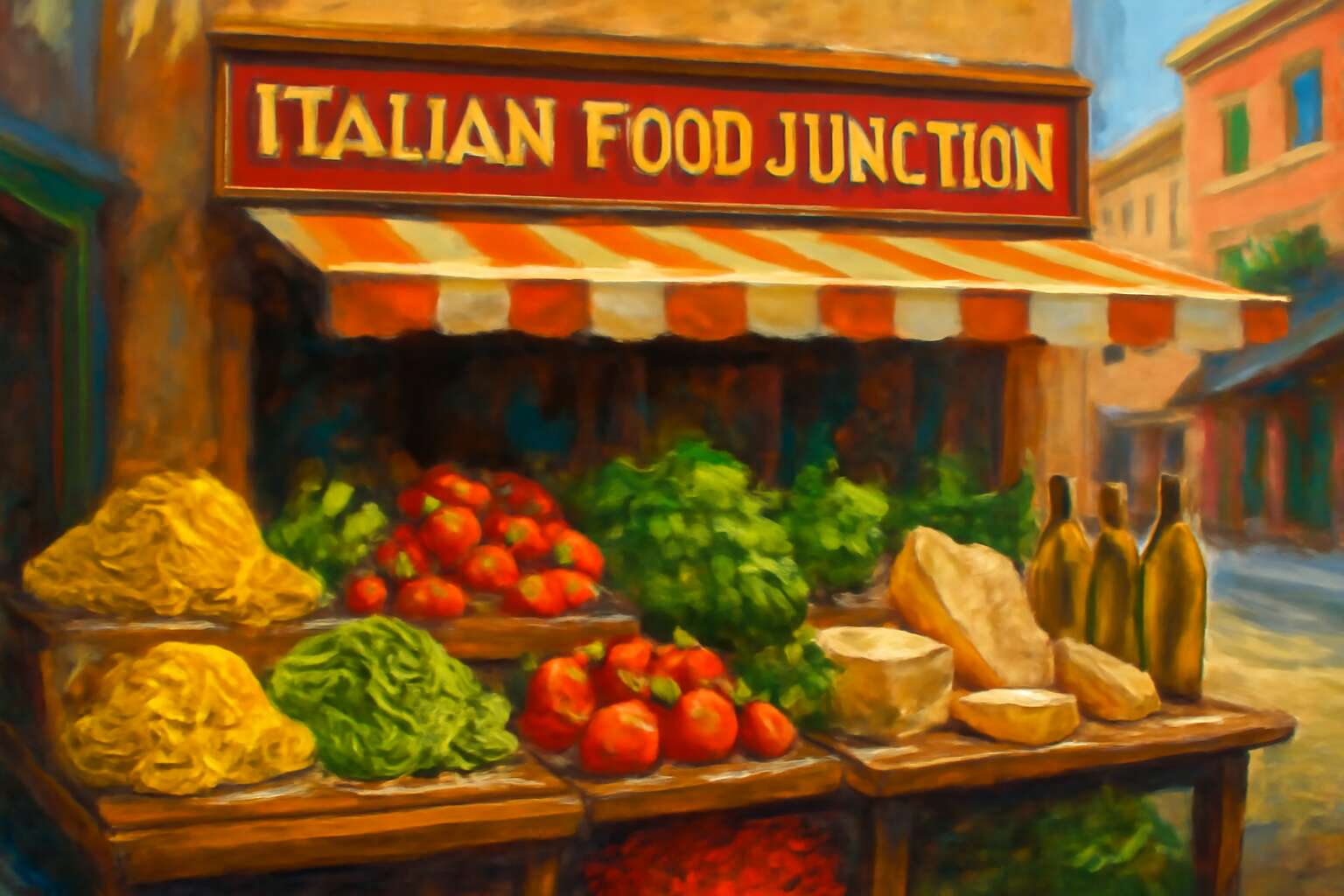
Overview of Italian Regional Flavors and Traditions
Origin and regional diversity
“Flavors aren’t just tastes; they are place-mapped memories.” Italy’s 20 regions each craft a distinct culinary voice, and at the italian food junction those voices converge into a tapestry you can taste. From Alpine dairies to sun-washed coasts, the palate travels through hillside terraces and marble kitchens, where tradition wears modern polish and time-honored methods celebrate the land. The plate speaks in dialects—no translation needed—yet the common thread is reverence for ingredients that tell their origin in every bite.
Within the regional spectrum, core signatures anchor the journey. Consider these touchstones:
- Emilia-Romagna: parmesan, prosciutto, ragù in tagliatelle
- Campania: tomato, buffalo mozzarella, wood-fired pizza
- Puglia: olive oil, seafood, rustic breads
South African diners will sense how this crossroad translates distant plains into resonant, heart-led meals—comfort with character, intensity with grace, a passport to convivium across dinner tables.
Key ingredients that define Italian cuisine
Italian flavors rise from place to plate—the way a hillside terrace and a harbor breeze fuse into a single bite. “Every bite is a passport stamp,” a chef once told me, and that idea lands squarely at italian food junction, where regional signatures meet in one shared menu. For South African palates, the balance is familiar—bright tomatoes, grassy olive oil, and a savory depth that lingers like a good memory.
Key ingredients that define Italian cuisine gather under a few clear banners:
- Olive oil, garlic, and a kiss of chili as everyday foundations
- Tomatoes and basil, the sunlight captured in red and green
- Parmigiano-Reggiano, mozzarella, ricotta—cheeses that age like stories
- Pasta and ancient grains, a canvas for sauces big and small
- Seafood, briny cured meats, and forest mushrooms that speak of land and tide
Traditional dining customs
Across Italy, meals choreograph daily life; a single bite can fold hillside breeze into sea-salt memory. A chef once told me, ‘Every region writes its own flavor into the plate.’ At italian food junction, that idea threads a shared menu with singular signatures, inviting South African diners to taste sunshine in tomatoes, grassy olive oil, and herb-kissed depth that lingers.
- Antipasti to open the meal with seasonal bites.
- Primo and secondo follow, then contorno and dolce.
- Family tables, long conversations, and shared plates.
- Late starts and a digestivo to unwind the night.
- Local, seasonal ingredients guide every choice.
From Lombardy’s harvest to Sicily’s citrus glow, traditions shape the palate and the table’s rhythm. The dinner hour drifts later, yet hospitality remains steadfast—an invitation to linger and listen.
Seasonal and local sourcing strategies
Season after season, the plate keeps time with the countryside and the memory of sun-warmed markets. In my kitchen at italian food junction, a chorus of regional flavors invites South African diners to taste sun-drenched tomatoes, grassy olive oil, and herb-kissed depth.
Seasonal and local sourcing is the spine of the experience, stitched from field to fork with care.
- Farm-to-market collaborations with local growers
- Cooperative networks that harvest at peak ripeness
- Menus aligned to regional harvest calendars
From Lombardy’s harvest to Sicily’s citrus glow, traditions shape the palate and the table’s rhythm, and I feel the season dictates the pace of service and selection—always with hospitality at heart!
In italian food junction, memory travels on the aroma of olive oil and citrus zest, inviting a listener’s ear and a curious palate to linger, listen, and savor.
Popular Italian dishes by region
Twenty Italian regions, twenty distinct flavor codes, and a map your palate can actually read. italian food junction invites South African diners into a tapestry of regional flair where sun-warmed tomatoes meet Alpine butter and citrus coastal brightness. Each region wears its traditions like a badge: reverently simple, astonishingly inventive, and always hospitable.
- Lombardy — Risotto alla Milanese
- Sicily — Pasta alla Norma
- Naples — Pizza Margherita
These dishes embody the rhythms of harvests and markets, a culinary chorus that travels well beyond the plate and into conversation.
Classic Italian Dishes and How to Present Them
Pasta staples and regional variations
Classic Italian dishes unfold like a coast‑song, and at italian food junction the plate becomes memory’s theatre. “Food is memory,” the old refrain whispers, and we taste its echo.
Presenting these classics demands more than technique; it is theatre for the senses. Balance colour, texture, and provenance—plates should murmur of sunlit fields, sea spray, and patient simmering.
Here are pasta staples and regional variations that sing of place:
- Spaghetti aglio e olio — Liguria’s garlic glow
- Pappardelle al ragù — rustic Tuscany
- Orecchiette con cime di rapa — Apulia’s green embrace
- Pasta e ceci — timeless comfort
We present a tapestry, where every plate travels with a sun-warmed whisper, inviting South African diners to savor Italian storytelling through sound, scent, and shared delight.
Pizza styles and regional differences
Classic Italian dishes rise like a candlelit procession, and at italian food junction we frame them as memories—the glow of tomatoes, the whisper of olive oil, the bite of al dente. Presenting them demands more than technique; it is theatre for the senses.
Pizza serves as a map of the peninsula: Neapolitan, with blistered crust; Roman, crisp and wafer-light; Sicilian, square and generous. How we present them matters as much as the dough—boards catching steam, a drizzle of olive oil, a dusting of fennel or chili to sing each region’s voice.
- Neapolitan pizza — blistered crust, tender crumb
- Roman pizza al taglio — thin, foldable, crisp edge
- Sicilian sfincione — thick, airy, square-sliced
Every plate at the italian food junction tells a weathered story, inviting South African diners to listen with eyes as much as tongues, tasting memory in peppery heat and basil-sweet gloom.
Risotto and rice dishes across Italy
Rice is a passport and a stage. A single spoonful of risotto can summon Lombardy’s misty lakes, then settle on a South African table with saffron glow and parmesan whispers. At italiano? No—rather, at italian food junction, classic dishes rise as memories—more theatre than technique, more aroma than explanation.
Presentation matters as much as season and stock. Risotto sings when plated warm, glossy, and slightly spread across the bowl in a lazy crescent; a final drizzle of olive oil seals the moment. Consider these touches:
- Warm, wide bowls that cradle the steam
- Parmesan shavings, a crack of pepper, and fresh citrus zest
- A pairing of regional wines to echo the dish’s origin
From north to south, rice dishes tell region by region stories: Risotto alla Milanese in saffron gold, seafood risotti along the coast, and rice timbales that echo street markets. The plating becomes a narrative, a sensory map for the table.
Antipasti and small plates to begin meals
At italian food junction, the first bite is a conductor, not a curtain-raiser. In South Africa’s kitchens, antipasti set the tempo, and nearly 40% of first courses begin here—a fragrant prelude that hints the memory will outshine the main act.
Presentation takes center stage: warm, inviting plates that cradle steam; glossy vegetables lightly blistered with olive oil; bright citrus sparks; and a spectrum of textures that invite tasting without shouting.
A few crowd-pleasers often headline the spread:
- Bruschetta al pomodoro
- Burrata with olive oil and lemon
- Carpaccio di manzo
- Marinated vegetables
These bites become a theatre of aroma, guiding the table toward the main courses with grace and memory.
Desserts that complete an Italian meal
South Africa’s diners increasingly treat dessert as memory-keeper; nearly 60% say the closing course defines the dinner’s impression! At italian food junction, classic Italian dishes deserve a finish that is as lucid as their flavours!
The trick is simple elegance: present mains and pastas on warm, lightly sauced plates, then let desserts ride on pristine textures—silky custards, airy creams, and fond, coffee-laced whispers that echo the table’s rhythm.
- Tiramisu
- Panna cotta
- Cannoli
Finish with a soft, chocolate-dusted kiss or citrus brightness to close the circle of memory.
Shopping, Ingredients, and Authenticity for an Italian Kitchen
Olive oil, cheese, tomatoes and herbs essentials
At italian food junction, shopping is a ritual, not a routine. SA shoppers boosted Italian pantry purchases by 42% last year, chasing olive oil, cheese, tomatoes and herbs that sing. Wander the aisles with intention: look for cold-pressed extra virgin olive oil, aged cheeses, plump tomatoes, and bright basil. Each choice carries a sunlit memory.
Ingredients are the spellbook of an Italian kitchen. The essentials—olive oil, cheese, tomatoes, and herbs—spark flavor when chosen with care.
- extra virgin olive oil
- aged cheese like Parmigiano-Reggiano or pecorino
- ripe tomatoes (San Marzano or local equivalents)
- fresh herbs: basil, oregano, thyme
Authenticity is a living compass. In every market and kitchen, we honor seasons and provenance, letting olive oil’s aroma, cheese’s salt, tomatoes’ brightness, and herbs’ lift guide the craft. From vibrant markets to intimate kitchens, the pantry speaks softly, inviting a South African table to taste Italy with courage and grace.
Sourcing authentic ingredients and reliable substitutes
In South Africa, Italian shopping feels like a ritual, not a routine. Last year SA shoppers boosted Italian pantry purchases by 42%, chasing character and provenance at every turn. At italian food junction, aisles invite intention—seek oils with a quiet bite, aged cheeses with time-worn aroma, and bright aromatics that spark memories!
Ingredients are the spellbook of flavor. The aim is authenticity and reliability. When a local grocer can’t source Parmigiano-Reggiano, consider a well-aged pecorino or alpine-inspired hard cheese; for tomatoes and herbs, seek sun-sweet varieties at peak season; for olive oil, choose a cold-pressed, first-press bottle to anchor brightness.
Authenticity is a living compass. In markets and kitchens, seasons and provenance guide craft, letting olive oil’s aroma, cheese’s salt, tomatoes’ brightness, and herbs’ lift shape the menu. From Cape Town markets to Italian home kitchens, the pantry becomes a bridge—taste, restraint, and courage walking hand in hand.
Seasonal produce guides for Italian cooking
Last year, South African Italian pantry purchases surged 42%, turning grocery aisles into quests. At italian food junction, shopping feels ceremonial—aisles glow with seasonal peppers, sun-warmed tomatoes, and aromatic herbs that promise tomorrow’s meals.
- Sun-warmed tomatoes at peak season
- Bright aromatics: basil, oregano, rosemary
- First-press olive oil for brightness
Ingredients are the spellbook of flavor, chosen for authenticity and reliability. In SA, select sun-sweet tomatoes at peak, bright aromatics, and olive oil that is cold-pressed and vibrant.
Authenticity remains a living compass. In markets from Cape Town to the Winelands and in Italian kitchens, seasons and provenance shape what ends up on the plate—aroma, salt, brightness, and lift guiding every choice.
Grocery shopping tips for Italian staples
Last year, South African shoppers surged into Italian staples, lifting pantry purchases by 42% and turning aisles into quests. At italian food junction, shopping feels ceremonial—aisles glow with promise, and every choice echoes tomorrow’s meals.
- Sun-warmed tomatoes at peak
- Bright aromatics: basil, oregano, rosemary
- First-press olive oil for brightness
Ingredients are the spellbook of flavor, where sun-warmed tomatoes at peak, bright aromatics, and cold-pressed olive oil set the mood.
Authenticity remains a living compass, guiding what ends up on the plate from the Cape markets to the Winelands, with seasons and provenance shaping every bite.
Italian Dining Culture and the Home Kitchen Experience
Table manners and courses in traditional meals
In my SA kitchen, Italian dining rooms unfold in a rhythmic flow—four courses and conversation that can stretch into a cozy evening. The ritual turns a meal into memory, and that magic travels far beyond the kitchen door.
- Antipasto
- Primo (pasta or risotto)
- Secondo (meat or fish)
- Contorno (vegetable side)
- Dolce and Caffè
At the table, I linger over each course and savor how bread is passed to the left, how conversation blooms as the wine breathes through the room. I am a guest and a host at once, and at italian food junction, this conviviality meets South African warmth in a lively, delicious exchange.
From trattoria to modern bistro dining experiences
In South Africa, Italian dining culture meets the warmth of home at italian food junction—where the table is a passport and memory-maker. A single evening can glide from trattoria nostalgia to modern bistro brightness, guided by four courses, slow conversation, and wine that lingers like a favorite chorus.
From rustic trattoria to contemporary bistro, the rhythm remains: antipasto to dolce, with bread passed to the left and stories woven through every course. I savor the cadence, a generous conversation breathing between sips and shared plates at the heart of the meal.
- Trattoria warmth
- Modern bistro finesse
- Home kitchen intimacy
In the home kitchen, the exchange stretches into a cozy evening, where regional influences flirt with SA ingredients and the sense of belonging travels beyond the doorstep.
Pairing wine and food in Italian meals
The table is a passport, and at italian food junction the home kitchen becomes memory’s customs hall. A slow cadence, a lingering glass, and a shared joke turn supper into an invitation to linger. Dining here is an art, translated with warmth and wit.
Pairing wine and food in Italian meals is dialogue, not decree. Vermentino with seafood, Nebbiolo with ragù, or Moscato with dolce—these choices become storytelling at the table. The home kitchen lets conversation breathe as palate travels. A note worthy of italian food junction.
- Vermentino with seafood for a sunlit coastal note
- Nebbiolo with hearty ragù to anchor the evening
- Moscato d’Asti with dolce to close with a smile
South African ingredients—olive oil, local cheeses, herbs—pair gracefully with Italian wine styles, reminding us that belonging travels beyond the doorstep. The table becomes a shared memory, where rustic warmth and contemporary dining coalesce in a single, shimmering evening.
Fusion and modern twists on classic dishes
A recent survey shows 42% of South African tables blend Italian dining rituals with home-kitchen improvisation. Italian dining culture today lives at the intersection where the home kitchen becomes memory’s customs hall. Here, simple ingredients meet playful technique, and a slow Sunday meal turns into a sharing moment that travels beyond the plate.
Fusion happens in quiet ways, right at the stove:
- Tagliatelle handmade with coastal ragù using local seafood
- Wood-fired pizza topped with South African produce and subtle spice
- Dolci reinterpretations, like tiramisù with rooibos tea and almond crunch
At the italian food junction, kitchens become studios where tradition performs with immediacy!
South Africans taste the world without leaving the kitchen, guided by seasons and shared stories.
Creating a sensory Italian dining journey at home
Across South Africa, 42% of tables blend Italian ritual with home-kitchen improvisation, turning ordinary dinners into shared storytelling. The home kitchen becomes a memory theatre, and the italian food junction where tradition learns to improvise.
I lean over the stove as olive oil sighs, garlic awakens, and basil perfumes the air; a simple pantry becomes a passport, guiding family and friends through a sensory journey that tastes like sunlit coastlines and warmly spoken stories.
- Sight: glossy ribbons of pasta catching the light and clinging to a glossy sauce
- Aroma: garlic, citrus zest, and herbs lifting in a fragrant swirl
- Sound: a gentle sizzle joining table laughter and lingering conversation
In this shared kitchen, dining transcends recipe cards, inviting South Africans to taste the world from a single stove and a shared smile!
Local dining scenes and community events
Across South Africa, 42% of dinner tables pivot from routine meals to shared Italian storytelling, a striking reminder that the Italian food junction resonates beyond borders. In our kitchens, tradition learns to improvise, turning pantry staples into a memory theatre where olive oil sighs and garlic wakes. Hospitality becomes a living ritual, inviting guests to linger, savor, and swap stories.
- Pop-up trattorie at urban markets, turning stalls into sunlit dining rooms
- Community pasta nights in halls or shared kitchens, weaving neighbours into a family
- Wine and small-plate evenings pairing local SA wines with Italian-inspired antipasti
From trattoria to modern bistro, the home kitchen writes its own glossary of flavor. A wave of lemon, basil, and sun-kissed tomatoes travels from the table to the room, turning ordinary Sundays into feasts of memory. This italian food junction invites South Africans to view dinner as dialogue, where every bite is a story shared.

0 Comments