Italian cuisine in the Roaring Twenties
Regional influences shaping menus in the Roaring Twenties
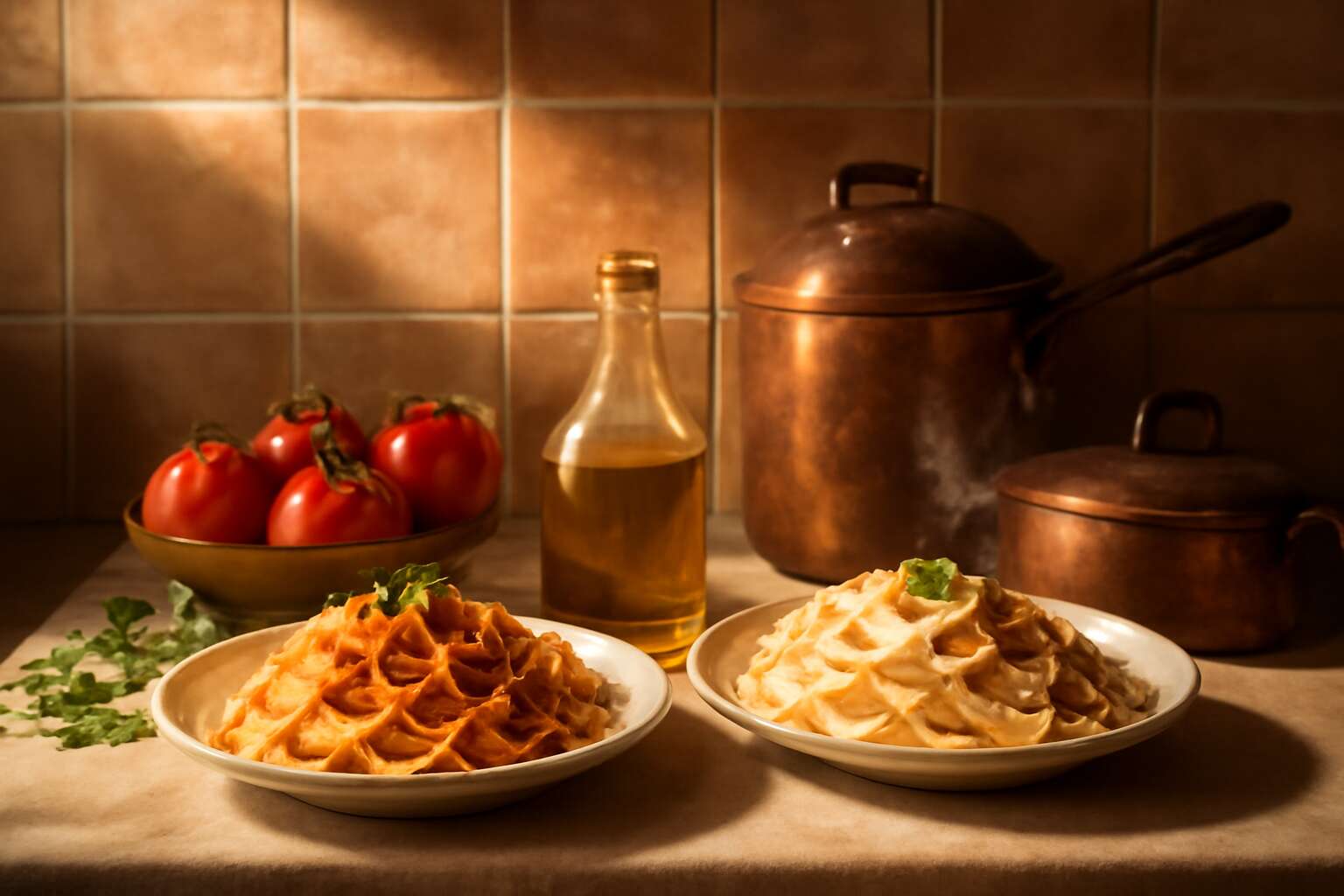
Across dining rooms and street-side trattorie, menus in the Roaring Twenties teased out regional identities. More than 60% of menus shifted with the season and the coastline, turning every plate into a map of trade, climate, and memory. This is italian food 1920s, a tapestry where place dictates flavor and pride.
Regional influences shaped sauces, grains, and gravies, stitching together Naples to Lombardy and Sicily to Friuli.
- Veneto — polenta and seafood from the Adriatic
- Sicily — citrus, olives, capers, and sun-kissed seafood
- Campania — tomatoes, olive oil, and rustic pasta
- Lombardy — creamy risotto and cured pork
From spice-scented markets to fire-lit kitchens, these flavors traveled with sailors and migrants, echoing in South Africa’s own appetite for robust, sun-warmed dishes. The era’s drama lingers in every bite—bold, generous, and unexpectedly lyrical!
Iconic dishes and their era-defining variations
Across the Roaring Twenties, menus shimmered with movement—more than 60% shifted with the season, turning plates into passports. italian food 1920s unfurls as a velvet map of memory, where harbor winds and sunlit markets flavor the table, even in South Africa’s chic dining rooms.
- Risotto alla Milanese—saffron gold, braised stock, and a whisper of bone marrow deepen the classic.
- Spaghetti al pomodoro—brightened with olive oil, garlic, and lemon zest for coast-to-city variations.
- Arancini Siciliani—ragù-filled bites with citrus notes, a nod to island markets and street grills.
- Osso buco with gremolata—slow braise that partners with a saffron risotto to define comfort.
The era’s glamour lingers on our tables, where Italian flavors meet South African appetite and the dream of cosmopolitan dining shines still.
Culinary culture and dining habits of the time
Across the Roaring Twenties, italian food 1920s carried a passport in every plate—sunlit markets, harbor bells, and a growing taste for shared meals. In bustling kitchens, chefs matched the season to the table, weaving memory into menus that found eager homes in South Africa’s dining rooms.
The era nurtured a social table: dishes emerged not as solo acts but as conversations between hosts, cooks, and diners.
- Aperitivo before supper, citrus brightness, and sparkling wine set the mood.
- Family-style sharing at trattorie encouraged laughter, stories, and a slower pace.
- Markets and cafés inspired daily menus that shuffled with fresh arrivals.
In South Africa, this cosmopolitan palate lingered in wine-streaked evenings and bright olive oil finishes—italian food 1920s weaving a bridge between continents without losing heart.
Global trends and the evolution of Italian cuisine in the 1920s
A bold melody rose from European kitchens in the Roaring Twenties: italian food 1920s traveled far beyond Naples and Rome, finding a passport on plates from Cape Town to Cairo. A journalist once wrote, ‘taste travels faster than borders,’ and the era proved it—markets hummed, and olive oil shimmered on new tables.
Global trends reshaped Italian cuisine: chefs traded notes across continents; trattorie exported their warmth; the table became a stage for collaboration, not competition. In South Africa, wine-tinged evenings and bright olive oil finishes echoed the old country while embracing local produce and the cosmopolitan palate, as if the pasta whispered of distant suns.
Three threads defined the evolution:
- Transcontinental sourcing changed pantry staples
- Sharing formats adapted to family-style meals in new settings
- Food writing and photography popularized Italian methods abroad

0 Comments