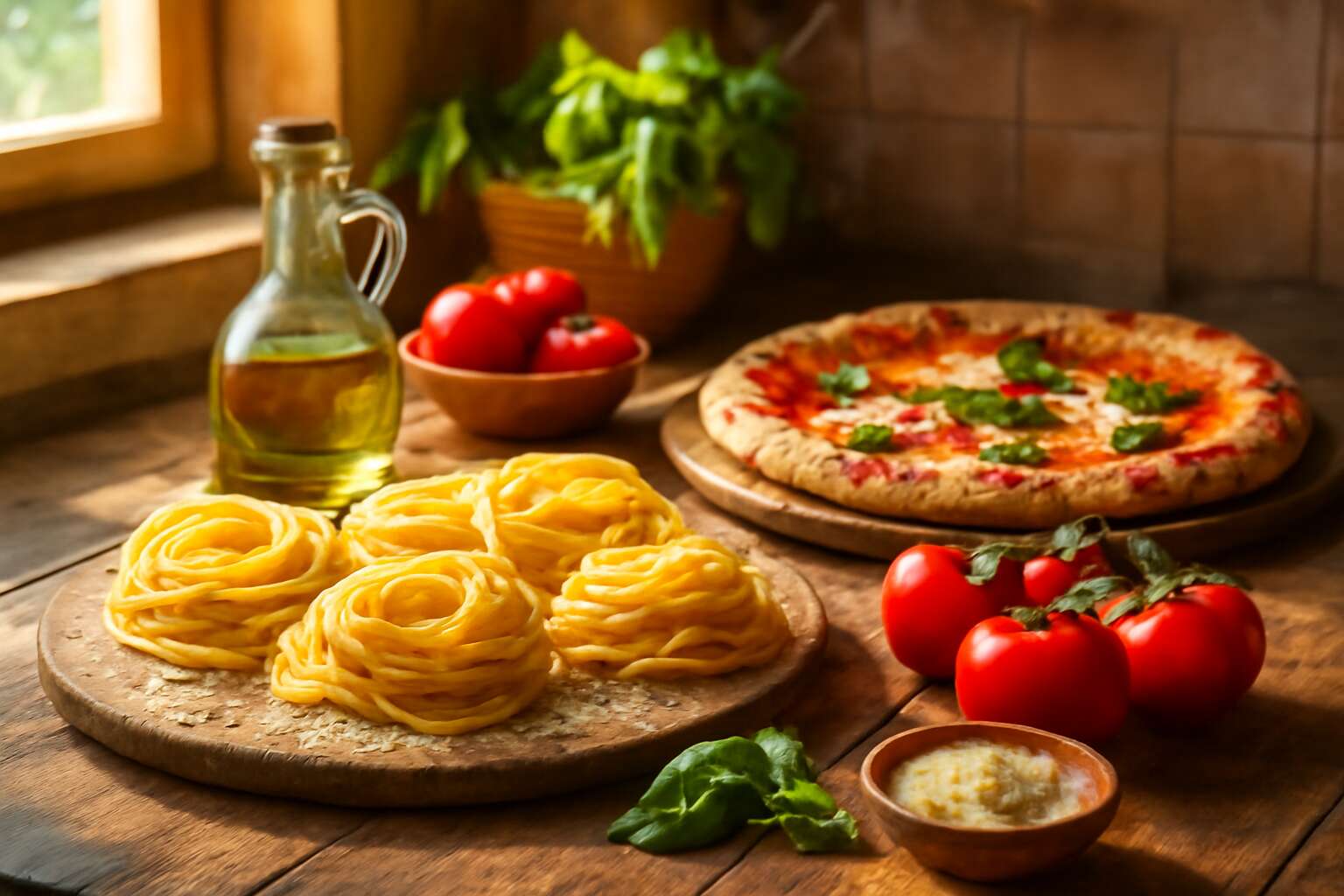
The Global Fame of Italian Cuisine
Heritage and History of Italian Cuisine
Cuisine is memory, they say, and Italian flavors carry that memory worldwide. The question why italian food is famous threads through kitchens, markets, and trattorias from Cape Town to Rome, turning simple ingredients into a shared legend. The result is a comforting, suspenseful allure that invites exploration.
The heritage of Italian cuisine rests on centuries of regional pride and trade. Across sunlit hills and winding lanes, families passed down recipes that evolved with local produce and climate. Three threads anchor this global tapestry:
- Olive oil from sun-warmed groves
- Pasta shapes that honor regional terroir
- Cheeses, cured meats, and seasonal vegetables
In South Africa, Italian cooking translates into vibrant weeknight sauces, bright antipasti, and soulful pasta nights that feel intimate and adventurous. This is where a global story meets local palate, and the idea behind why italian food is famous takes on familiar warmth.
Regional Diversity and Iconic Dishes
Flavors travel faster than fashion, and Italian cuisine has a passport that never expires. The global fame of Italian food rests on regional pride fused with simple craft. In South Africa, trattorias echo with sunlit sauces and al dente nights that feel both intimate and adventurous. This is why italian food is famous.
Regional diversity is the planet’s heartbeat: from the lush hills of the north to sun-washed coasts, emblematic dishes tell stories of soil, sea, and season.
- Pizza Napoletana
- Risotto alla Milanese
- Pasta all’Amatriciana
Iconic dishes travel as comfort and adventure, inviting cooks to recreate a sense of place.
Ingredients and Techniques that Define Italian Cooking
Global culinary trend data show Italian cuisine ranking among the top three most-searched cuisines online, a testament to its lasting allure. This is the pulse behind why italian food is famous.
In South Africa, kitchens mirror that reverence, where simple pantry staples become a symphony. The magic rests in ingredients and techniques: olive oil kissed with garlic, sun-warmed tomatoes, and a patient soffritto that builds depth.
- Soffritto: onion, celery, carrot sautéed in olive oil
- Emulsified sauces: purposeful whisking to marry oil and tomato
- Risotto craft: gradual stock addition and careful mantecatura
The global fame of Italian cuisine rests on technique as much as taste—the simmering rhythm of risotto, the glossy sheen of a perfected sauce, and a finish that binds cheese, butter, and heat into velvet. This craft invites cooks to wake the senses and to remember the land in every bite.
Cultural Impact and Global Popularity
Across continents, Italian meals anchor social life and appetite alike, and trend data place Italian cuisine among the top three most-searched cuisines online—a living testament to its enduring pull. Its global fame isn’t a hype; it’s a language spoken in bowls and rituals, from Naples’ sidewalk pizzerias to elegant trattorie in distant capitals. This is why italian food is famous!
- Pasta as daily ritual at table
- Pizza as convivial street theatre
- Olive oil and tomatoes as universal storytellers
In South Africa, kitchens mirror that reverence, where simple pantry staples become a symphony and hospitality becomes a shared act. I’ve tasted that warmth in Johannesburg cafes, and the scene repeats across the country. The global impact is a tapestry of family meals, culinary media, and menus that invite every table to taste the land—bold, comforting, and deeply human.

0 Comments