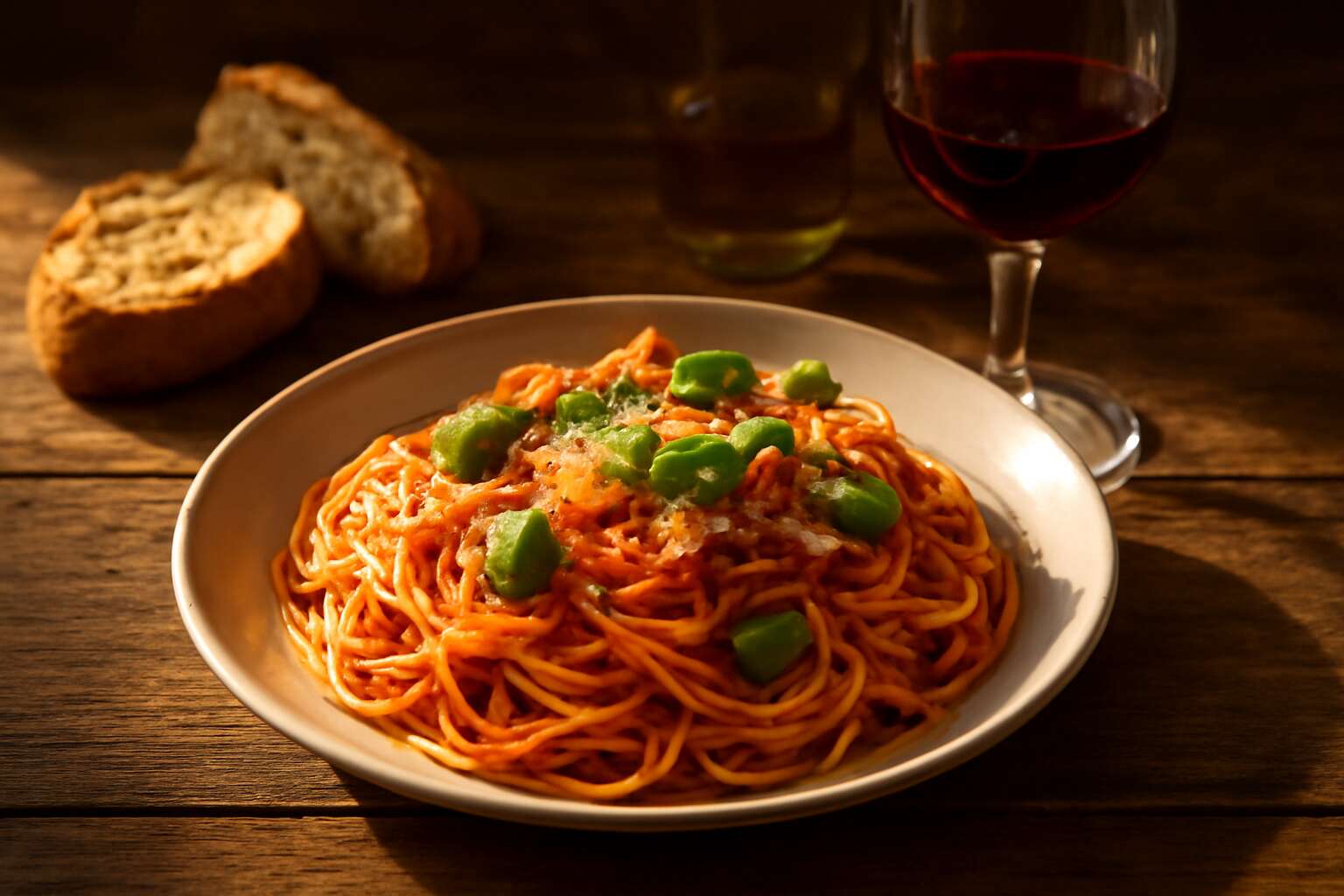
Beyond pasta: Italian foods and pairings
Pasta alternatives in Italian cuisine
South African tables often gather to share braai tales, yet there is a velvet romance in Italian food that stands apart. A single bite can rewrite the evening’s mood: italian food like pasta is only one thread in a broader tapestry.
Beyond pasta, the pantry offers polenta, risotto, and gnocchi—each a stage for textures and aromas. I linger on saffron-speckled risotto, a dish that hums with sea-spray memory when paired with a cool Cape White.
- Polenta with wild mushrooms and olive oil
- Risotto with saffron, prawns, or asparagus
- Gnocchi with sage, butter, and Parmigiano-Reggiano
The art is in balancing heat and sweetness, salt and acidity, like a sunset over the Atlantic.
Grains and tubers used in Italian cooking
Texture is memory,” a chef whispered, and in Cape kitchens that memory travels beyond pasta to grains and tubers that whisper their own spell. Italian cooking unfurls as polenta’s warm velvet, risotto’s precise bite, and gnocchi that yield to a pan’s kiss. A slow, tactile savor, bright with sea air.
Polenta, risotto, and gnocchi offer a spectrum of textures and pairings. In a South African pantry, saffron risotto meets Cape White; polenta anchors a braai’s leftovers with olive oil and mushrooms; gnocchi glides with butter and sage.
- Polenta as a creamy canvas for seafood or mushrooms
- Risotto as an al dente stage for saffron, prawns, or asparagus
- Gnocchi as delicate dumplings that carry sage and Parmigiano
This is more than pasta—italian food like pasta, the phrase itself, invites a broader tapestry of grains and tubers that anchor meals with warmth and memory.
Sauces and condiments that complement non-pasta dishes
Beyond pasta, the world of Italian flavors still hums with the same quiet intensity: sauces that carry memory, condiments that finish a plate with a single kiss of brightness. In kitchens where seafood meets citrus, or vegetables meet butter, every drizzle becomes conversation—an argument between sun-darmed tomatoes and peppery greens, a reminder that restraint can feel like a revelation.
A culinary map of non-pasta dishes thrives on balance: olive oil, citrus zest, and salt are not garnish but gravity, binding flavors into a single, confident sentence. In Cape kitchens and South African markets, sunshine lemons and olives pair with sea salt to sharpen flavor. italian food like pasta becomes a wider invitation, where sauces and condiments lift meat, fish, and vegetables without shouting.
- Herbaceous salsa verde with parsley, lemon zest, and capers
- Silken lemon-butter reduction with a kiss of white wine
- Roasted pepper passata stirred through grilled vegetables
Antipasti and sides to complete a pasta-inspired meal
“The table is where memory and meals meet,” a Cape chef reminds us, and in South Africa a strong starter can shift a pasta-inspired evening from good to unforgettable; 68% of diners report a starter as the hinge that holds the night together.
Antipasti and sides set the tempo:
- Marinated olives and lemon zest, a bright kiss of salt
- Burrata with grilled artichokes and crostini
- Prosciutto-wrapped grilled peppers
As the table breathes, grilled vegetables, saffron potatoes, and fennel-scented focaccia carry the citrus and olive oil into the main course, ensuring the plate speaks softly but decisively.
A philosophy that embraces italian food like pasta, where antipasti and sides complete the circle!
Regional Italian classics that rival pasta in flavor and texture
Risotto as a Northern Italian staple
“Rice is bread’s patient cousin,” a chef once quipped, and risotto proves the point—pliable grains that drink a saffron sunrise or the smoke of mushrooms until they gleam with a velvet al dente kiss. In Italian kitchens, risotto is a Northern staple that rivals pasta in flavor and texture, a hero that unfolds slowly but leaves the spoon singing.
- Risotto alla Milanese with saffron threads
- Risotto al Barolo, rich with red wine and aged cheese
- Risotto ai funghi, finished with a knob of butter and Parmesan
These regional classics carry the same romance as pasta, but with a cathedral-like focus—the grain becomes a canvas for stock, wine, and seasonal harvests. For South African tables, they offer a bridge to italian food like pasta, inviting guests to linger over texture and aroma.
Polenta from cornmeal to comforting plates
Polenta, the quiet king of the hills, feeds tables with patience and warmth, outlasting trends as the seasons turn. From Lombardy to the Cape’s kitchens, cornmeal becomes a velvet canvas—creamy when stirred, crisp when fried. It soaks up ragù, braised mushrooms, or a parmesan-laced fond, offering a texture that can cradle sauces the way pasta does. For many, polenta stands as italian food like pasta—a comforting, regional classic that proves nourishment can be architecture as well as appetite!
- Polenta taragna, Lombardy’s rustic, cheese-kissed staple
- Polenta concia, bubbling with butter and alpine cheeses
- Polenta al forno, hearty slabs that glow at the table
Serve polenta with sautéed greens, mushrooms in a red wine glaze, or ossobuco’s braising juices for a theatre of textures. It travels well from rustic markets to elegant eateries, carrying the aroma of stone ovens and old-world patience.
Gnocchi and dumplings across regions
Across Italy’s hills and into South Africa’s warm kitchens, gnocchi and dumplings carry a romance that rivals pasta in both flavor and texture. “Texture is truth,” a venerable Italian voice once whispered, and these pillowy treasures prove it—soft as clouds yet brimming with bite, they absorb broths and sauces with quiet grace.
From the Alpine north to Sardinia’s shores, regional gnocchi and dumplings offer distinct silhouettes.
- Gnocchi di patate, kissed with sage butter in Piedmont and Tuscany
- Gnocchi alla Romana, soft semolina pillows perfumed with grana
- Canederli, bread and speck dumplings swaddled in clear broth
- Culurgiones, potato and mint dumplings from Sardinia with pecorino
These regional classics invite a theatre of textures, the way a ragù clings to gnocchi or a light broth lifts a dumpling. For italian food like pasta, such plates promise texture, soul, and a quietly glamorous bite.
Coastal seafood and meat dishes from Italian regions
Regional Italian classics that rival pasta in flavor and texture thrive on the coast and in the hills, and they resonate in South African kitchens seeking sun-kissed depth. Coastal seafood and meat specialties carve out oceanside territory with bold saffron, citrus, and slow braises that coax sweetness from bones and shells. italian food like pasta finds kin in these dishes, where restraint and fire perform in turn—each bite a compact drama of aroma, texture, and memory.
- Cacciucco alla Livornese — a fiery Tuscan fish stew of tomatoes, garlic, and red wine
- Sarde in saor — Venetian sardines with onions, vinegar, and raisins
- Baccalà alla vicentina — cod gently braised in olive oil, milk, and onions
In these plates, regional Italian classics carry the same theatre of texture and soul as pasta, offering a coastal counterpoint that resonates with kitchens across the world.
Techniques and ingredients that replicate pasta textures
Techniques for creating al dente textures with non-pasta bases
“Texture is the memory of a bite,” a veteran Italian chef once said, and it lingers long after the aroma fades. In the world of italian food like pasta, the bite defines the meal as much as the sauce itself.
To coax al dente from non-pasta bases, tune starch behavior and hydration. Parboil grains or pulses briefly, then finish in a hot sauce to halt swelling. Emulsions—olive oil whisked with a splash of cooking water—help retain a firm, pleasing bite as flavors cling.
- Hydration control: brief parboil followed by a hot-sauce finish to preserve bite.
- Starch anchoring: use minimally reduced starch liquids to set texture without mushiness.
- Texture contrast: a quick sear or sizzle at the edge adds chew and aroma.
Emulsified sauces that cling to rice, polenta, and gnocchi
Texture is memory in motion, and kitchens across Cape Town and beyond prove it daily! When italian food like pasta inspires non-pasta bases, the bite becomes the honest signature of the dish—more telling than the fragrance of the sauce. The goal isn’t mush; it’s a crisp resistance that invites tasting with patience.
- Parboiled grains or pulses briefly, followed by a finish in a hot sauce, can halt swelling and set a firm bite.
- Emulsions—olive oil whisked with a splash of cooking water—coat rice, polenta, and gnocchi with gloss while honoring texture.
- Minimally reduced starch liquids serve as anchors, avoiding mush and helping flavor cling.
These techniques translate Italian technique into everyday meals, offering the same sensation with alternative bases.
Cheese, butter, and dairy in Italian dishes beyond pasta
“Texture is memory in motion,” whispers the kitchen air. In South Africa, italian food like pasta haunts the plate, and I know the real magic lies in what dairy and technique can conjure beyond the noodle. A crisp, lingering bite speaks louder than aroma—a subtle rebellion against mush and haste.
Cheese, butter, and dairy become the quiet architects of non-pasta textures. A silk emulsion—parmesan or pecorino whisked with a spoon of cooking water—glosses mushrooms, polenta, or roasted vegetables, preserving bite while lending depth. Butter glaze and mascarpone folds seal in moisture, offering a velvety contrast that still resists surrender.
- Silky emulsions with cheese and cooking water
- Butter-glossed vegetables for al dente bite
- Creamy reductions that anchor flavors
These dairy-driven techniques translate into everyday plates, giving a familiar echo to non-pasta bases without dulling the soul of the recipe.
Herbs, aromatics, and zest to mimic pasta flavor profiles
Texture is memory, and in South Africa we chase al dente without a single noodle in sight. When we talk about italian food like pasta, the secret sits in technique: silky emulsions, measured reductions, and moisture choreography that leaves vegetables, mushrooms, and grains with a bite intact. A gloss of parmesan-laced cooking water can anchor flavors and synchronize mouthfeel, echoing the satisfaction of a well-tuned pasta dish.
A few herbs and aromatics do the talking:
- Fresh basil and parsley for a bright, herbaceous lift
- Garlic and shallot notes to deepen the foundation
- Lemon zest for citrus brightness that mimics zingy pasta sauces
- Crushed chili flakes for a hint of heat and complexity
Herbs, aromatics, and zest work as flavor architects, giving that pasta-style perfume even when the base is a roasted veggie or a rice bed. Think bright basil, citrusy zest, and a whisper of oregano—finishing oils and a flick of salt complete the illusion without turning the plate into mush.
Sauce thickness and coating tips for Italian dishes
In the realm of italian food like pasta, technique is the secret. When the base is roasted vegetables or grain beds, moisture choreography—emulsions that cling and gentle reductions that glaze—delivers a silken coating rather than a mushy merge. The aim is to let sauces hug each piece and finish with a whisper of cheese to lock in gloss and mouthfeel.
- Starch-based gloss provides cling and a sheen to grains and veg.
- Creamy emulsions create a smooth, long-lasting surface on every bite.
- Gentle reductions form a nappe-like glaze that never overpowers texture.
- Final notes of dairy lift and balance acidity for a cohesive finish.
These ideas let non-pasta bases carry the spirit of italian food like pasta without losing their shape or integrity. In South Africa kitchens, every plate becomes a narrative of texture, aroma, and a restrained luxury that lingers after the last bite.
Practical recipes and shopping guides for non-pasta Italian meals
Pantry essentials for non-pasta Italian dishes
South African kitchens are rediscovering italian food like pasta flavors beyond the familiar pasta bowl. A recent survey reveals that 68% of home cooks crave non-pasta mains that blend coastal brightness with rustic comfort, proving elegance can meet everyday practicality in a single plate.
Practical recipes and shopping guides for non-pasta Italian meals emerge from thoughtful pantry planning and fresh market selection.
- Extra-virgin olive oil
- Garlic and onions
- Canned tomatoes or passata
- White beans, chickpeas, or lentils
- Capers, olives, and anchovies
- Dried mushrooms or saffron
Pantry essentials for non-pasta Italian dishes that shine in weeknight cooking include vinegars (red wine or balsamic), dried herbs, and a good parmesan rind for depth, offering brightness without the starch.
These selections carry the glamour of Italian life with a South African sensibility, turning simple ingredients into plates that feel like a celebration even on a weeknight.
Weeknight Italian recipes without pasta
South African kitchens are discovering that weeknights can glow with Italian soul without a single strand of pasta. This approach blends coastal brightness with rustic comfort, turning pantry staples into luminous mains that feel like a celebration after a long day. In this rhythm, italian food like pasta can still inspire, but the spotlight shifts to seafood, white beans, and braises that sparkle with brightness.
- Pan-seared fish with lemon, capers, and crushed tomatoes
- White bean purée with kale and fennel
- Braised chicken with olives, garlic, and saffron
- Mushroom polenta topped with herb oil
Stock these staples, and weeknights become theatre: pan-seared fish, white-bean stews, and saffron-kissed chicken braises that flirt with brightness while staying comforting. I love how a squeeze of lemon seals the deal!
Regional recipe ideas to try at home
Cape Town market data show 47% of households reach for weeknight meals that feel Italian but skip the pasta, proving ‘italian food like pasta’ can glow without noodles.
Practical recipes and shopping guides focus on bright, pantry-friendly ingredients that sing with brightness: fresh citrus, white beans, fennel, canned tomatoes, olives, and seafood.
- Fresh fennel and lemons for brightness
- White beans (cannellini or borlotti) for purée or stews
- Quality olive oil, olives, capers, and anchovies for depth
Regional ideas to try at home lean into coastal brightness and rustic comfort: a fish dish brightened with lemon and capers, a velvety white-bean purée folded with greens, and a saffron-bright braise that pairs beautifully with grains.
Seasonal ingredients to elevate Italian meals
Cape Town market data show 47% of households reach for weeknight meals that feel italian food like pasta but skip the noodles. These choices prove flavor can glow without the usual starch. Practical recipes and shopping guides champion brightness over heft: think quick fish braises brightened with lemon and capers, or a silky white-bean purée folded with greens to anchor a meatless plate. The aim is pantry-friendly dishes that feel distinctly Italian.
Seasonal ingredients to elevate Italian meals are easy to source and pair beautifully with grains, seafood, and vegetables:
- Fresh citrus such as lemons and oranges
- White beans (cannellini or borlotti)
- Fennel bulbs or fronds
- Quality olive oil, olives, capers, and anchovies
- Canned tomatoes and seafood
In South Africa, these elements translate into bright fish dishes, velvety purées, and saffron-bright braises that sing with grains.

0 Comments