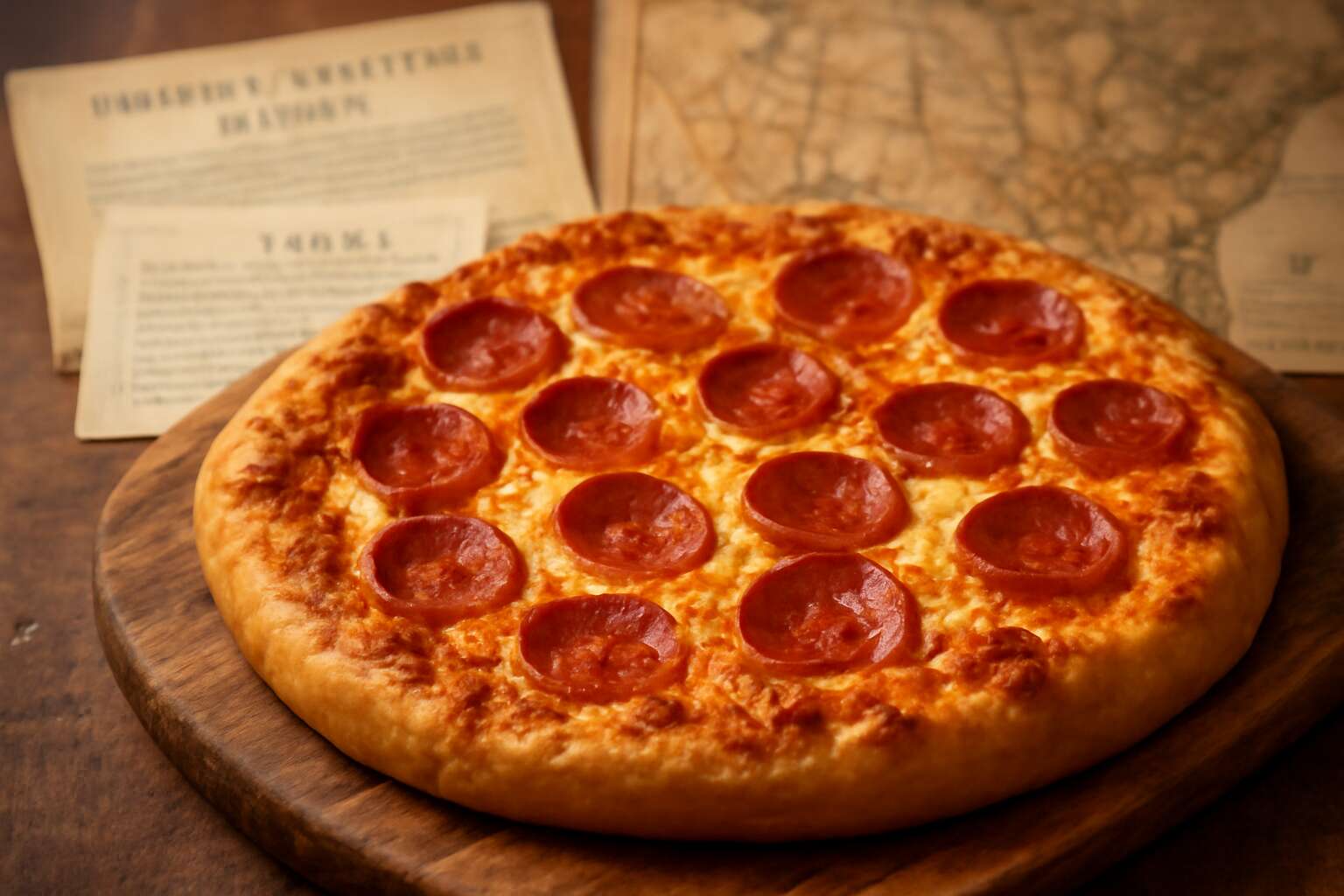
Origins and context of Italian American cuisine
Across the oceans of migration, Italian American cuisine was born where tomatoes met grit and opportunity. It is estimated that more than 4 million Italians entered the United States between 1870 and 1920, sowing a culinary diaspora that would redefine menus from New York trattorie to neighborhood delis. This piece asks what italian food was invented in america, not as a novelty but as a living conversation between old-world technique and new-world abundance.
From this crucible emerged three forces that still sing in kitchens today:
- adapting tomatoes, cheese, and olive oil to American markets
- pizza by the slice and meatball subs on street corners
- regional Italian styles meeting immigrant creativity in new forms
For South African palates, the origins feel intimate—heat and heritage converging into joyful, shareable meals, a reminder that food can travel farther than any passport. I taste the echo of a kitchen in every bite!
American-born dishes commonly attributed to invention
In kitchens across South Africa, the question what italian food was invented in america lingers, a rumor transformed into a tasting note that travels with every bite.
- Stromboli, a rolled sandwich born of Italian dough and kitchen improvisation
- Meatball sub, street-food hero blending meat, herbs, and Italian-American attitude
- Spaghetti and meatballs, the mythic bridge between old world technique and new world abundance
These dishes reveal how American-born forms carry Italian technique into bold, new contexts. For South African readers, they invite tasting adventures that honor both heritage and adaptation.
Regional twists and innovations within Italian American cuisine
Across South Africa’s dining rooms, Italian-American flavor becomes a compass for regional imagination. A recent survey hints that reinvention now outnumbers replication on many menus. “The past feeds the plate!” says Chef Lara Bianchi, capturing memory’s simmering power. It reframes what italian food was invented in america as a map of culture and appetite.
Regional twists drift from coast to coast: Northeast red-sauce swagger, Midwest hearty improvisation, and California coastal brightness.
- New York–style pizza and calzone, crisp and cheese-forward.
- Chicago deep-dish, a generous canvas of crust and cheese.
- California seafood-forward pastas with citrus and garden greens.
These twists make Italian American cuisine a living memory—where heritage and hunger meet opportunity.
Research, sources, and myths around Italian American inventions
A recent culinary survey hints reinvention now outnumbers replication on menus. In chasing answers to what italian food was invented in america, researchers trace threads through archives, family cookbooks, and immigrant narratives. The question becomes a map of memory, not a single star dish.
Sources range from archival menus and city business records to oral histories collected from cooks who learned their craft in crowded kitchens. Trade journals, menu swaps, and even school lunch programs offer clues about how Italian flavors migrated, merged, and diversified. In South Africa, these threads show up in Italian-inspired pizza nights and trattoria plates.
- Archival menus and city business records
- Oral histories from first- and second-generation cooks
- Newspaper food pages and recipe columns
A few myths persist—origin stories that feel like folklore—but solid research reveals a fluid, cross-continental dialogue shaping Italian American invention.
SEO strategy and content planning for this topic
Across South Africa, culinary curiosity is rising — recent analytics show a 32% uptick in queries about cross-continental flavors. The hook is hard: what italian food was invented in america. Framing this inquiry as a narrative rather than a catalog guides a content plan toward depth, context, and a dash of mystery.
To build an SEO-led article, we map intent, audience, and format before a single paragraph is penned. We establish a content pillar around Italian American cuisine history, keeping the focus on the question without revisiting settled sections. The approach favors concise chapters, scannable subheads, and a voice that feels investigative yet approachable.
- Core keywords and long-tail variants aligned to the main query
- Metadata, header hierarchy, and schema signals to indicate intent
- South Africa localization, translations, and culturally resonant visuals
A tight editorial calendar ensures cadence, measurement, and adaptation, inviting South African readers to explore the layered stories behind the question.




0 Comments